
Refind Realty Blog
Selling Your DFW Home to a Wholesaler: 2026 Guide | Refind Realty DFW
Selling Your Home to an Investor: What DFW Homeowners Need to Know About "Wholesalers"

Direct Answer
A real estate wholesaler is a middleman who puts your home under contract with the intent to "assign" (sell) that contract to another investor for a fee. Unlike a traditional cash buyer, a wholesaler rarely intends to actually buy your home themselves; they are selling the right to buy your home. In 2026, Texas law (specifically Senate Bill 2212) requires wholesalers to provide a written disclosure stating they do not hold legal title to the property and are only selling an equitable interest. While wholesaling can provide a fast exit for distressed properties, the biggest risk for DFW homeowners is a "failed assignment," where the wholesaler cannot find a buyer and walks away using a contingency clause, leaving you with wasted time and no sale.
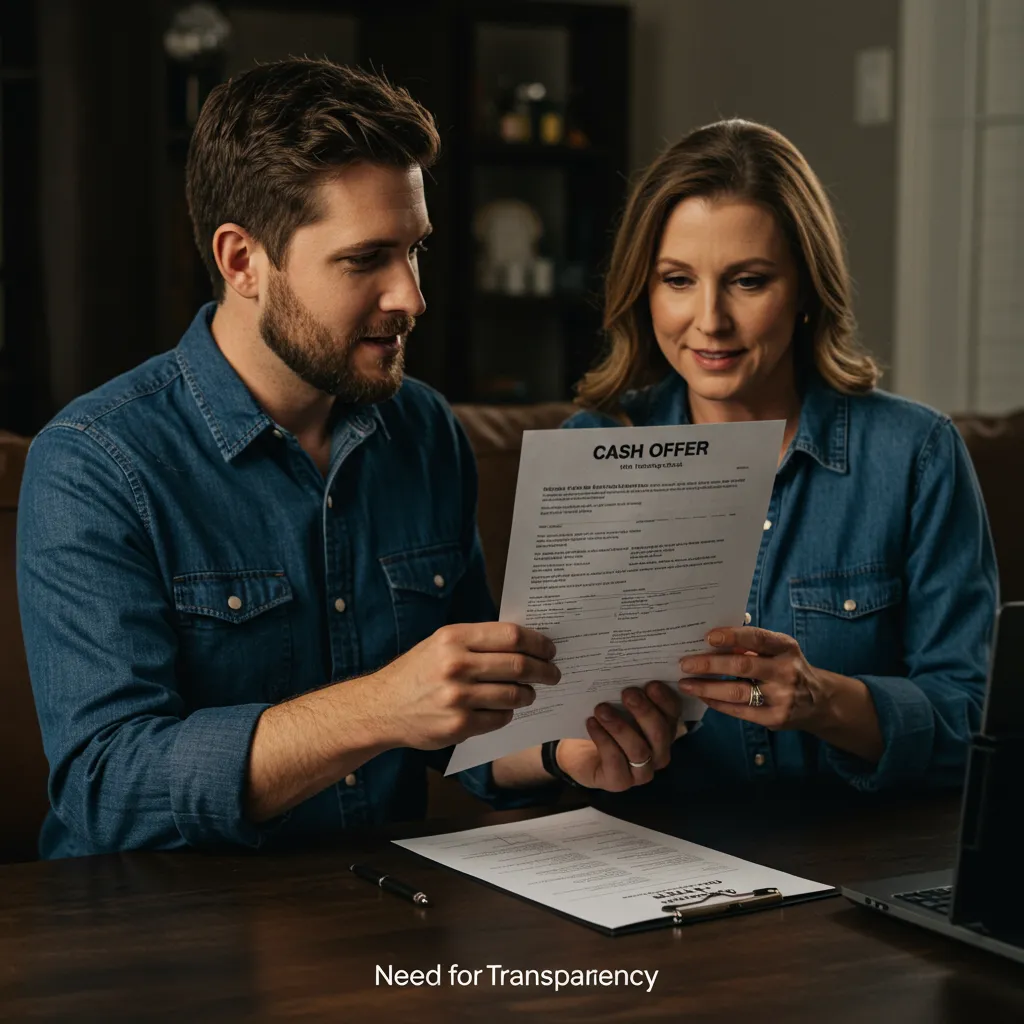
Book your Home Goals consultation to vet a "Cash Offer" and see if a traditional investor or a wholesaler is knocking on your door: https<span></span>://stevenjthomas.com/home-goals
1. How Wholesaling Works in Texas
The goal of a wholesaler is to find a "motivated seller" and secure the property at a price low enough to leave room for their assignment fee and the end-investor’s profit.
The Assignment: The wholesaler signs a contract with you, usually including the phrase "and/or assigns" next to their name. They then market that contract to a "Buyers List" of flippers or landlords.
The Assignment Fee: If the wholesaler puts your house under contract for $200,000 and finds an investor willing to pay $215,000, the wholesaler keeps the $15,000 difference as their fee at closing.
Double Closings: In larger deals, a wholesaler might perform a "double close," where they actually buy the property and sell it minutes later to a second buyer. This is often done to hide a large assignment fee from the original seller.
2. The 2026 Legal Landscape: Your Protections
Texas has some of the strictest transparency requirements in the country regarding wholesaling.
The Disclosure Mandate: Under the Texas Occupations Code, any person selling an interest in a contract (rather than the property itself) must disclose this in writing to any potential buyer and the original seller. Failure to disclose this "equitable interest" is considered unlicensed brokerage and is a Class A misdemeanor in Texas.
Marketing Restrictions: Wholesalers in DFW cannot publicly market your home (e.g., on the MLS or Craigslist with photos) unless they are a licensed agent. They are only permitted to market the contractual interest to private buyers.
Equitable Interest: Legally, the wholesaler owns the right to purchase, not the bricks and mortar. You remain the legal owner until the moment of the final closing.
3. Red Flags to Watch For
If you are approached by an investor in the DFW metroplex, look for these signs that they are a wholesaler rather than a buyer:
The "$100 Earnest Money": Professional DFW investors typically put down 1–2% of the purchase price. Wholesalers often try to risk as little as possible, sometimes offering as little as $10 or $100.
Long Option Periods: A wholesaler may ask for a 15–30 day inspection period. This is often just a "marketing window" to see if they can find an investor before their exit contingency expires.
Multiple "Walkthroughs": If the "buyer" keeps bringing "partners" or "contractors" to look at the house, they are likely showing the property to their list of actual investors.
Conclusion
Selling to a wholesaler can be a legitimate way to move a "as-is" property quickly, but you must know who is actually sitting across the table. In 2026, transparency is your best defense. If an investor refuses to provide proof of funds or avoids disclosing their intent to assign the contract, they may not have the capacity to close the deal themselves.
Key Takeaways
Middleman Role: Wholesalers sell contracts, not houses.
Texas Law: Written disclosure of "equitable interest" is mandatory in 2026.
Risk of Failure: If the wholesaler can't find an investor, the deal often collapses during the option period.
Net Profit: You will likely net less with a wholesaler than selling directly to a flipper or listing with an agent.

BLOG NAVIGATION
Contact Me By Filling Out
The Form Below
We Can Help You Reach Your Real Estate Goals!
Locate Us
Site: www.stevenjthomas.com
Call :(972) 846-9170
Email: [email protected]
Office 128 S. Cockrell Hill Rd, DeSoto TX 75115
Owned and Operated by Thomas & Thomas Financial Group, LLC
© Copyright 2026 | All Rights Reserved
Steven J. Thomas, REALTOR® · TREC License #0657467
Privacy Policy | Terms of Service | Fair Housing Statement
Refind Realty DFW · 128 S. Cockrell Hill Rd, DeSoto, TX 75115 · (972) 846-9170
Facebook
Instagram
X
LinkedIn
Youtube
TikTok