
Refind Realty Blog
Negotiating Use and Occupancy in Dallas: 2026 Seller Guide | Refind Realty DFW
How to Negotiate a "Use and Occupancy" Agreement After Selling Your Dallas Home

Direct Answer
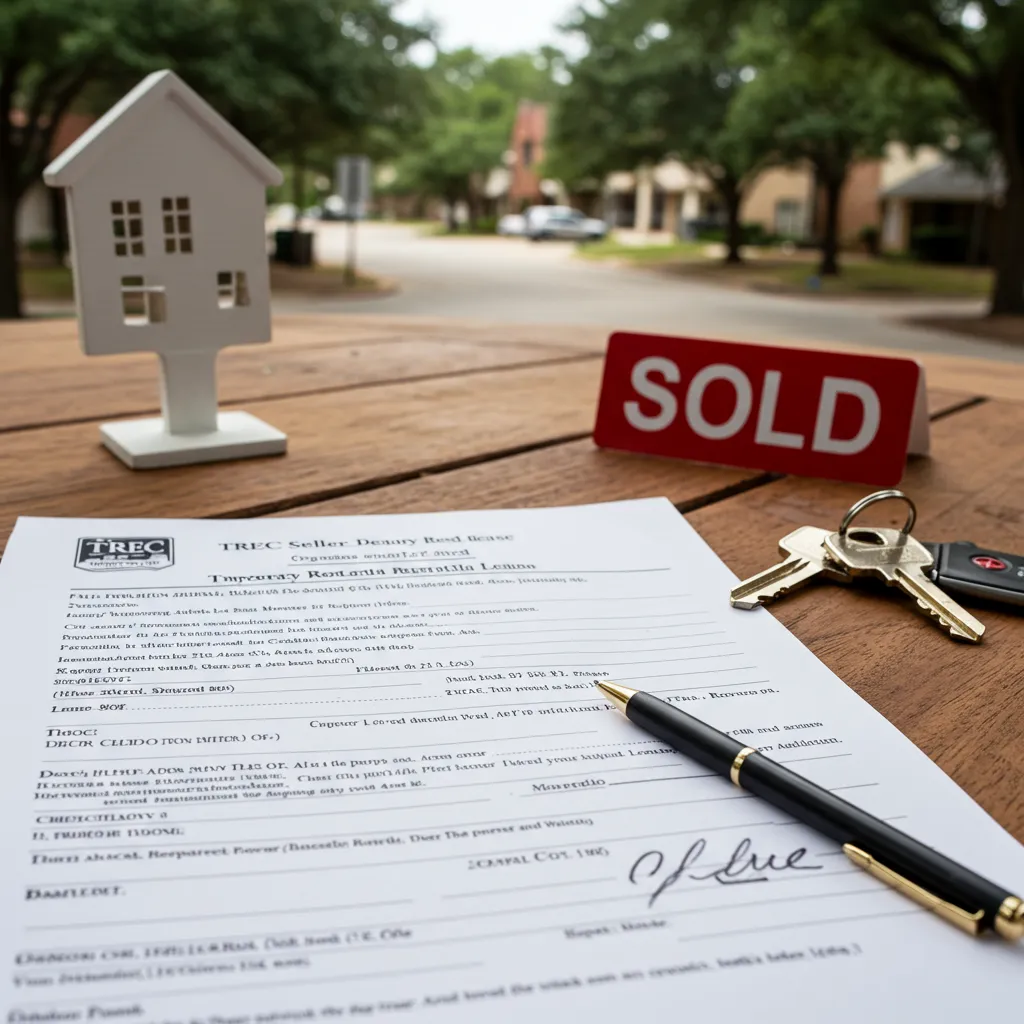
In 2026, the primary strategy for negotiating a Dallas leaseback is to leverage the current "balanced" market to secure a low-cost or "free" occupancy period. While the buyer becomes the legal landlord at closing, you can negotiate a daily occupancy fee that is often lower than the buyer's new mortgage PITI (Principal, Interest, Taxes, and Insurance) if you provide other concessions, such as a price reduction or repair credits. To ensure the agreement is binding, you must use TREC Form 15-7 (Seller's Temporary Residential Lease), which governs stays up to 90 days. Key negotiation points include a refundable security deposit (typically held in escrow) and clear terms on who pays for utilities and yard maintenance during your stay.
Book your Home Goals consultation to structure a "stress-free" leaseback into your 2026 listing strategy: https<span></span>://stevenjthomas.com/home-goals
1. The 2026 TREC Mandate: Form 15-7
The 2026 real estate rules in Texas have clarified that "handwritten" or "unofficial" occupancy letters are no longer sufficient.
Mandatory Use: Since January 2026, TREC Form 15-7 must be used for any residential stay where the seller remains for 90 days or less.
The 90-Day Limit: Stays exceeding 90 days may violate the buyer’s "owner-occupancy" mortgage terms and are governed by standard landlord-tenant law rather than this simplified temporary form.
Flood Disclosures: New for 2026, Senate Bill 2349 has clarified that separate flood notices are not required for these temporary residential leases, simplifying the paperwork process.
2. Three Key Negotiation Pillars
Pillar 1: The Daily Occupancy Fee
Don't just accept the buyer's mortgage payment as the rent.
The Calculation: In the 2026 Dallas market, where median home prices are around $420,000, a fair daily rate is often calculated by dividing the neighborhood's median monthly rent by 30.
Bargaining Chip: In a multi-offer situation, you can negotiate for a $0 per day leaseback for the first 14–30 days as a way to "sweeten" a slightly lower sales price.
Pillar 2: The Escrow Hold-Back (Security Deposit)
Buyers are often nervous about the condition of the home after you leave.
Protective Escrow: Negotiate a security deposit to be held by the title company rather than paid directly to the buyer. This ensures the funds are only released after a final walkthrough shows no new damage.
Maintenance Limits: Clearly define that you are responsible for routine upkeep (mowing, pool skimming, utilities) but that the buyer/landlord remains responsible for major system failures (HVAC, roof, water heater) unless the damage was caused by your negligence.
Pillar 3: The "Holdover" Penalty
The biggest risk for a buyer is a seller who won't leave.
The Penalty: Be prepared for the buyer to demand a "Holdover Fee"—often double or triple the daily rate—for every day you stay past the agreed-upon move-out date.
Clarity: Negotiate a "Termination Date" that aligns with your next home’s closing, but add a 3-day "buffer" to avoid these high penalties if your movers are delayed.
Conclusion
Negotiating a post-closing occupancy in 2026 is about managing the transition from "Owner" to "Tenant" with legal precision. By utilizing the mandatory TREC 15-7 form and focusing on a fair daily rate and protected security deposit, you can use your home's equity to buy the most valuable asset in any move: time.
Key Takeaways
Form is Mandatory: Use TREC 15-7 for all stays under 90 days.
Negotiate the Buffer: Add a few extra days to your move-out date to avoid "Holdover" penalties.
Utilities: Sellers typically continue to pay all utility costs during the leaseback.
Insurance: You must maintain "renter's insurance" (HO-4 policy) for your personal property, as the buyer's insurance only covers the structure.

BLOG NAVIGATION
Contact Me By Filling Out
The Form Below
We Can Help You Reach Your Real Estate Goals!
Locate Us
Site: www.stevenjthomas.com
Call :(972) 846-9170
Email: [email protected]
Office 128 S. Cockrell Hill Rd, DeSoto TX 75115
Owned and Operated by Thomas & Thomas Financial Group, LLC
© Copyright 2026 | All Rights Reserved
Steven J. Thomas, REALTOR® · TREC License #0657467
Privacy Policy | Terms of Service | Fair Housing Statement
Refind Realty DFW · 128 S. Cockrell Hill Rd, DeSoto, TX 75115 · (972) 846-9170
Facebook
Instagram
X
LinkedIn
Youtube
TikTok