
Refind Realty Blog
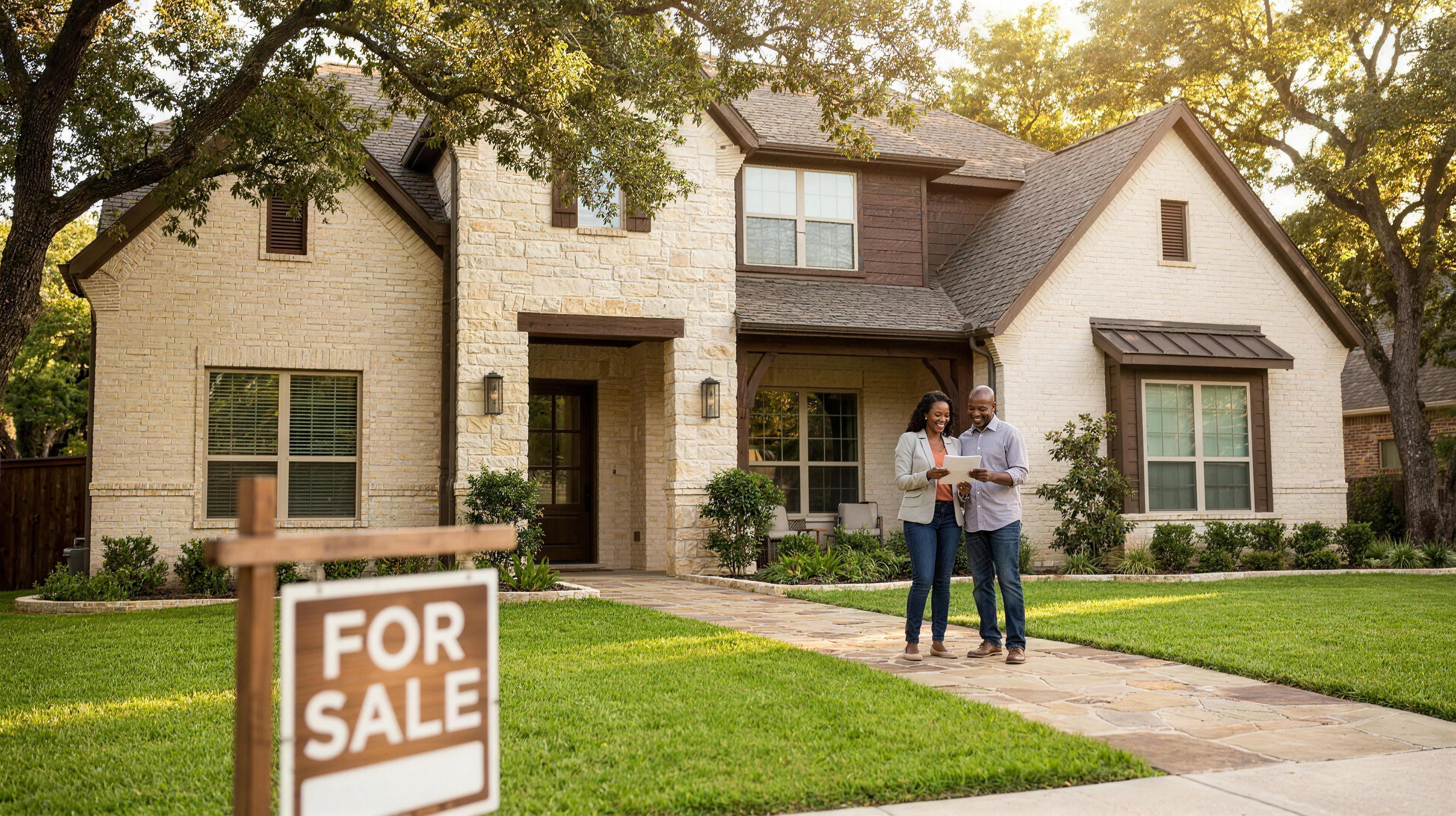
Seller Concessions in Cedar Hill, TX (2026): What Buyers Are Asking For and What It Costs You
Seller concessions in Cedar Hill, TX (2026): what buyers are asking for and what it costs you
By Steven J. Thomas, Broker at Refind Realty DFW and Loan Officer at Envision Home Lenders · Updated July 2026
If you are getting ready to sell in Cedar Hill and move up to your next home, the rules have shifted under your feet. A couple of years ago, sellers set the terms. Now buyers in Cedar Hill and across the southwest DFW corridor are asking for help with their costs, and the sellers who plan for that ahead of time keep more of their equity. This is not a reason to wait. It is a reason to price and prepare with the concession math already built in.
Direct answer: what a seller concession costs in Cedar Hill right now
In Cedar Hill, most buyers in 2026 are asking sellers to help with their costs. The two big requests are rate buydowns and closing-cost credits. Based on current conditions, a seller-paid concession commonly runs 2 to 3 percent of the sale price. On a $415,000 Cedar Hill home, that is roughly $8,300 to $12,450. Plan for that number before you list, and price it in instead of getting surprised at the table.
Cedar Hill neighborhood spotlights for move-up sellers
Concessions do not hit every part of Cedar Hill the same way. Your home condition, price band, and location all change how much room a buyer has to ask. Here is how three areas are moving.
Lake Ridge
Lake Ridge sits along Joe Pool Lake with larger lots, golf frontage, and a lot of the move-up homes in the $450,000 to $700,000 range. Homes feed into Cedar Hill ISD, and the commute to downtown Dallas runs about 30 minutes up US-67 and I-20. Because buyers here often carry bigger loans, a rate buydown request is common. That works in your favor if you plan for it, because a well-priced Lake Ridge home still draws strong interest. Get your pricing and prep dialed in early with the home selling options that fit your timeline.
Historic downtown and Old Town Cedar Hill
The older streets near downtown Cedar Hill carry real character, mature trees, and price points that bring in first-time move-up buyers. Those buyers are the most rate-sensitive group in the market right now, so closing-cost credits show up here more than anywhere. Homes in good shape still sell, but condition matters more than it did two years ago. A tidy, updated home gives you room to say no to a big concession ask. Run through the pre-listing seller checklist before you set a price.
High Pointe and Tangle Ridge
Near the Tangle Ridge Golf Club on the south side of town, this area mixes newer builds with well-kept resale homes and draws buyers who want more space near well-rated schools. Buyers here compare your home against newer inventory and builder incentives, so they walk in expecting some help. If your home shows well against a brand-new build, you protect your net. If it does not, the concession ask grows. Knowing where you stand on condition is the whole game, and the home value maximizer helps you see it before a buyer does.
Pro Tip: Use the Home Selling Score to gauge your listing readiness and local timing. I walk your home in person, give it an honest score, and we plan the concession math before we ever set a price.
Local market trends: the numbers behind the shift
The push toward concessions is not a feeling. It is what the data shows across DFW and here in Cedar Hill.
- Median single-family price: about $415,000 across DFW (up about 2.2% year over year — Source: NTREIS / Texas market data, July 2026)
- Cedar Hill days on market: roughly 79 days (near flat year over year — Source: Redfin, July 2026)
- Active listings: up about 9% to 20% year over year depending on county (Source: NTREIS regional data, July 2026)
- 30-year fixed mortgage rate: 6.55%, up from 6.49% the prior week (Source: Freddie Mac PMMS, July 16, 2026)
Here is what those numbers mean for you. More listings and homes sitting longer put buyers in the strongest spot they have had since around 2019. A rate near 6.55% squeezes what a buyer can pay each month, so instead of pushing your price down, many of them ask you to buy down their rate or cover part of their closing costs. That is the concession, and it is now a normal part of a Cedar Hill deal.
"Most sellers still price like it is 2022, then get blindsided when the first offer comes in with a $10,000 credit request," says Steven J. Thomas, Broker at Refind Realty DFW and Loan Officer at Envision Home Lenders. "When you plan the concession math up front, you keep control of your net. Because I handle both the sale and the financing, I can see exactly how a buydown changes a buyer's payment and what it really costs you."
What concessions actually cost: the Cedar Hill dollar math
Let me put real numbers on it. Say your Cedar Hill home sells for $415,000. Here is how the common concession types break down, based on current conditions.
- Closing-cost credit (2% to 3% of price): $8,300 to $12,450. This is the most common ask. The buyer uses it toward their closing costs and prepaid items so they need less cash to close.
- Temporary 2-1 buydown: commonly $7,500 to $9,500 on a Cedar Hill loan amount. This lowers the buyer's rate by 2 points in year one and 1 point in year two, then it returns to the note rate. It makes the early payments easier for a stretched buyer.
- Permanent rate buydown (points): about $3,700 per point on a typical loan here, with each point lowering the rate by roughly 0.25%. Some buyers ask you to cover one or two points to bring their payment down for good.
- Repair or condition credit: $1,500 to $6,000 depending on inspection findings. This is separate from the rate and cost help, and a strong pre-listing prep pass keeps it small.
Notice the pattern. Two to three percent of your sale price is the number to plan around. On a $415,000 home that is roughly $8,300 to $12,450 you may hand back. That does not mean you lose it. When you price with that math in mind, and your home shows well, you protect your bottom-line net instead of reacting to it under pressure.
Financing and how a rate buydown really works for you
A rate buydown sounds like it only helps the buyer. It helps you too, and here is why. When a buyer's monthly payment feels doable, they can pay closer to your asking price instead of chipping at it. A buydown often keeps more of your headline price intact than a flat price cut would. The two moves are not the same, and the difference can be thousands of dollars in your pocket.
This is where seeing both sides matters. I am dual-licensed as a broker and a loan officer, so I can run the buyer's payment two or three ways and show you which concession structure costs you the least while still closing the deal. A price cut of $15,000 might net you less than a $10,000 buydown that keeps the buyer at full price. You cannot tell that from the offer sheet alone. You have to run the financing.
If you are also buying or building your next home, that same view helps you line up both moves so you are not carrying two payments longer than you have to. Want to see where you stand on your next purchase? You can see if you pre-qualify and we build the plan around your equity, your timing, and your budget.
Conclusion: plan the concession, keep the equity
The Cedar Hill market has moved toward balance, and buyers now ask for help with rate buydowns and closing-cost credits. That is the new normal, not a red flag. Sellers who plan the concession math ahead of time keep control of their net. Sellers who ignore it get ambushed at the table. On a $415,000 home, plan for roughly $8,300 to $12,450 in concessions, price with that in mind, and get your home in strong shape so a buyer has less room to ask. The whole picture, your equity, your financing, and your next move, is what I help you see, because I handle both sides.
Here is your next step:
- Check your Home Selling Score so we know your readiness and set the right price before a single offer lands.
- Download the Lone Star Living App to watch Cedar Hill listings and track nearby activity in real time.
- Book an appointment today and let us map your sale and your next move together. You can also call or text 972-846-9170.
You're Always Home with Steven J. Thomas.
5 key takeaways
- Cedar Hill buyers in 2026 are asking sellers to help with costs, mainly rate buydowns and closing-cost credits, so plan for it before you list.
- Based on current conditions, a seller-paid concession commonly runs 2% to 3% of the sale price, or about $8,300 to $12,450 on a $415,000 home.
- Cedar Hill homes are averaging around 79 days on market and DFW active listings are up roughly 9% to 20% year over year, giving buyers the most negotiating power since about 2019 (Redfin and NTREIS, July 2026).
- A rate buydown can protect more of your headline price than a flat price cut, but you have to run the financing to know, which is where a dual-licensed broker and loan officer helps.
- Track live Cedar Hill listings and nearby activity with the Lone Star Living App so you price against what is really selling.
Frequently asked questions
What is a seller concession in a Cedar Hill home sale?
A seller concession is money you agree to put toward the buyer's costs, such as a closing-cost credit or a rate buydown. It comes out of your proceeds at closing. In Cedar Hill right now, most accepted offers include some form of concession.
How much are Cedar Hill sellers paying in concessions in 2026?
Based on current conditions, a common range is 2% to 3% of the sale price. On a $415,000 home that is roughly $8,300 to $12,450. The exact amount depends on your home condition, price band, and how strong your offer is.
Will offering a concession make me lose money on my sale?
Not if you plan for it. When you price with the concession math already built in and your home shows well, you protect your net. A buydown can even keep more of your price intact than a flat price cut would.
Do concessions differ across Cedar Hill neighborhoods?
Yes. Rate-sensitive buyers near downtown and Old Town ask for closing-cost credits more often, while larger loans in Lake Ridge see more rate buydown requests. Homes that show well against newer builds in High Pointe and Tangle Ridge face smaller asks.
What is the difference between a price cut and a rate buydown?
A price cut lowers your sale price for everyone. A rate buydown keeps your price and instead lowers the buyer's monthly payment. A buydown often costs you less while still closing the deal, but you need to run both to be sure.
How do I see what is actually selling in Cedar Hill before I list?
Download the Lone Star Living App to view current Cedar Hill listings, watch price changes, and track nearby activity in real time so you price against what buyers are really paying.

BLOG NAVIGATION
Contact Me By Filling Out
The Form Below
We Can Help You Reach Your Real Estate Goals!
Locate Us
Site: www.stevenjthomas.com
Call :(972) 846-9170
Email: [email protected]
Office 128 S. Cockrell Hill Rd, DeSoto TX 75115
Owned and Operated by Thomas & Thomas Financial Group, LLC
© Copyright 2026 | All Rights Reserved
Steven J. Thomas, REALTOR® · TREC License #0657467
Privacy Policy | Terms of Service | Fair Housing Statement
Refind Realty DFW · 128 S. Cockrell Hill Rd, DeSoto, TX 75115 · (972) 846-9170
Facebook
Instagram
X
LinkedIn
Youtube
TikTok