
Refind Realty Blog
Selling an Inherited Home in DFW: The 2026 Probate, Tax, and Timeline Guide
Selling an Inherited Home in DFW: The 2026 Probate, Tax, and Timeline Guide
By Steven J. Thomas
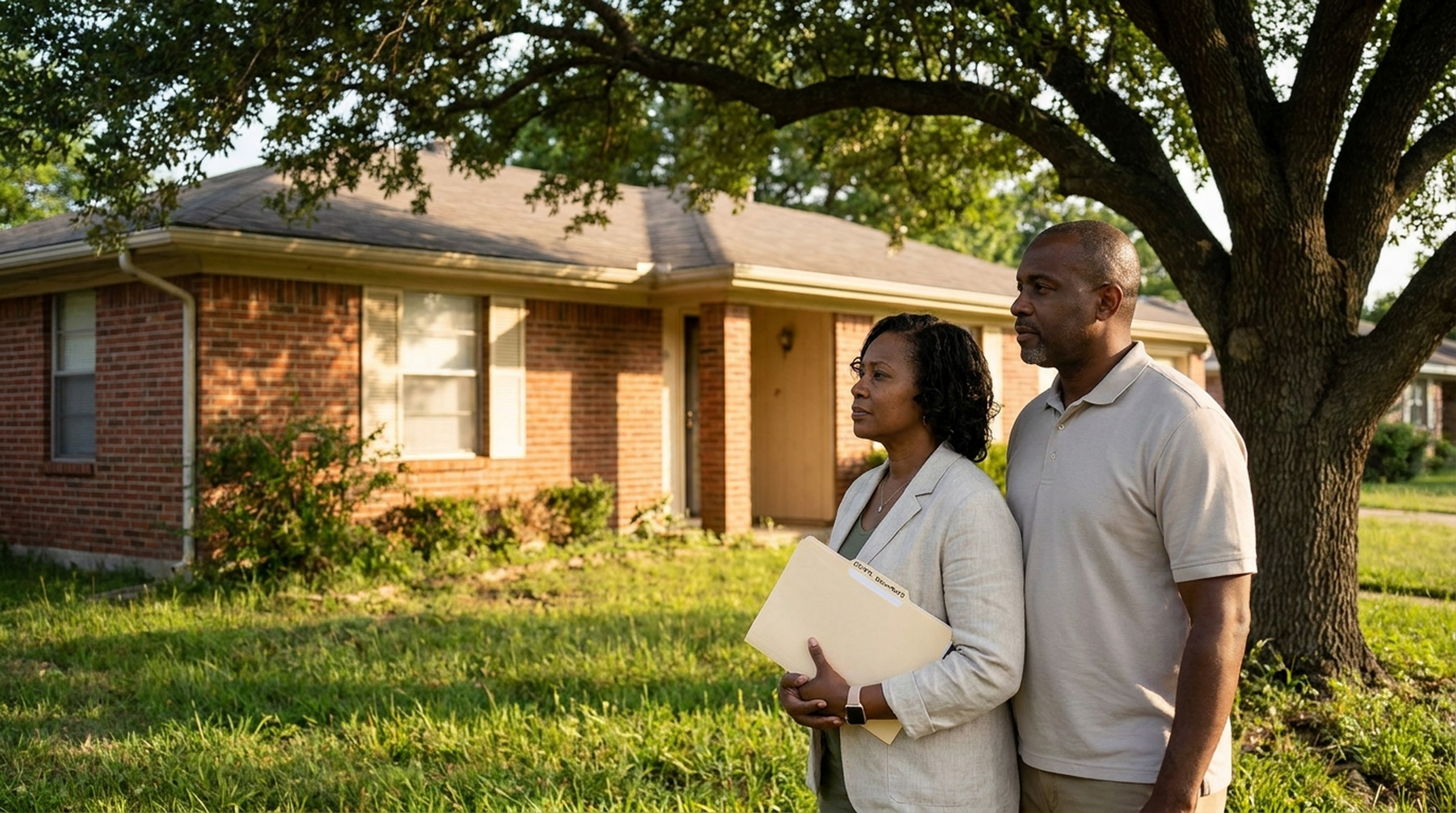
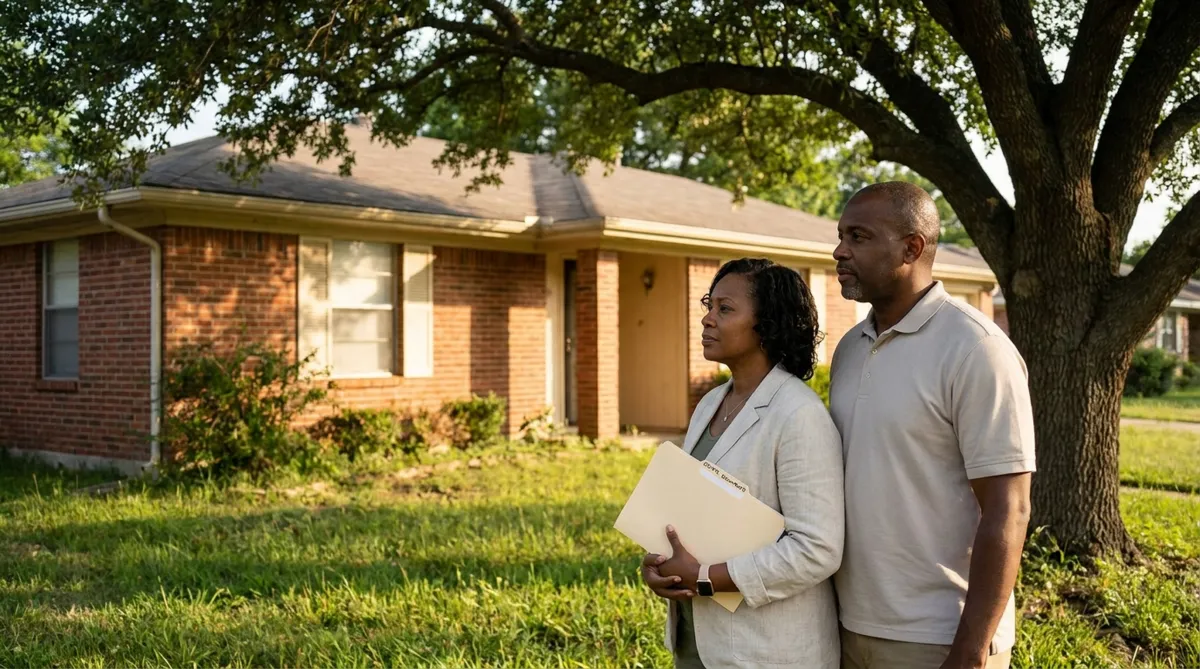
If you just inherited a house in Lancaster, DeSoto, or anywhere in southwest DFW, you're probably dealing with two things at once: grief and paperwork. And the paperwork has real money attached to it. Property taxes keep accruing, insurance gets complicated on an empty house, and every month the home sits is a month of carrying costs coming out of the estate. Here's how selling an inherited home in DFW actually works in 2026, in plain English.
Direct Answer: Can You Sell an Inherited House in Texas?
Yes, but you need legal authority first. If the home was in a trust or had a transfer-on-death deed, you may be able to sell right away. Otherwise, you'll go through Texas probate, which typically takes two to six months before you can close a sale. Texas has no state inheritance tax, and the stepped-up basis rule usually wipes out most capital gains. Start with your free Home Selling Score to see where the property stands.
Step One: Figure Out Who Has the Legal Right to Sell
This is where most families get stuck. In Texas, the path depends on what documents the person who passed left behind.
If There Was a Will
The executor named in the will files for probate in the county where the person lived. For Lancaster and DeSoto, that's Dallas County Probate Court. Most Texas wills allow independent administration, which means the executor can sell the house without asking the court for permission on every step. Once the court issues Letters Testamentary, usually within 30 to 60 days of filing, the executor can list and sell the home. If the estate has no unpaid debts other than the mortgage, your attorney may suggest muniment of title, a faster and cheaper option that transfers the home directly to the heirs.
If There Was No Will
Texas intestacy law decides who inherits, and it's not always who you'd expect, especially with blended families. The most common tool here is an affidavit of heirship, which works when all heirs agree and the estate is simple. If heirs disagree or the title company won't accept the affidavit, you'll need a court proceeding to determine heirship, which adds time and legal fees. Every heir with an ownership interest must sign the listing agreement and the closing documents.
If There Was a Transfer-on-Death Deed or Trust
You may be able to skip probate entirely. A transfer-on-death deed recorded before death passes the home directly to the named beneficiary. A home held in a living trust can be sold by the trustee. In both cases, you can usually move to market within weeks instead of months.
Pro Tip: Before you spend a dollar on repairs, get a read on what the home would sell for as-is versus fixed up. The Home Selling Score gives you that baseline in minutes.
The Tax Picture: Better Than Most Families Expect
Here's the part that surprises people. Texas has no inheritance tax and no state estate tax. The federal estate tax only touches estates above the federal exemption, which now sits at $15 million per person for 2026, so the vast majority of DFW families owe nothing there.
The bigger win is the stepped-up basis. When you inherit a home, your cost basis resets to the market value on the date of death, not what your parents paid for it. Say your mother bought her Lancaster home in 1998 for $95,000 and it was worth $285,000 when she passed. If you sell it for $290,000, you only owe capital gains tax on $5,000 of appreciation, not $195,000. Sell within the first year or so and the taxable gain is often close to zero. Get a date-of-death appraisal to document that stepped-up value. It costs a few hundred dollars and can save you thousands in taxes and headaches with the IRS later.
One thing that does change: the homestead exemption. If the home had an over-65 or homestead exemption on the property taxes, that exemption generally ends once the home transfers to heirs who don't live there. Expect the tax bill to rise, and budget for it while the home is on the market.
What an Inherited Home Costs You While You Decide
Every month of indecision has a price tag. Here's a realistic monthly carrying cost for a median Lancaster home in 2026:
- Property taxes: $500 to $650 per month, set aside, based on a roughly $287,000 value at Dallas County area rates
- Vacant home insurance: $250 to $400 per month. Standard policies often won't cover a home empty more than 30 to 60 days, so you'll need a vacant-property policy, which costs more
- Utilities, lawn, and basic upkeep: $150 to $300 per month. An unmowed yard in July invites city code letters and break-ins
- Mortgage payment, if the home still has one: whatever the note says. The federal Garn-St Germain Act lets heirs keep paying an existing mortgage without triggering the due-on-sale clause
Call it $900 to $1,400 a month on a paid-off home, more with a mortgage. Six months of waiting can quietly eat $6,000 to $8,000 of the estate's value. That math is why having a plan matters more than having the perfect plan.
The Southwest DFW Market You're Selling Into (Summer 2026)
You're not selling into the 2021 frenzy, and pricing like you are is the fastest way to sit on the market. Here's the current picture:
- Lancaster median sale price: roughly $260,000 to $287,000 depending on the month, per Redfin data from early 2026
- Lancaster average days on market: about 52 days, up from 39 a year ago, per Redfin, February 2026
- DFW-wide: homes are averaging about 62 days to go under contract, and sellers are conceding a median of roughly $17,000 off list across the metro, per regional market reports from spring 2026
- 30-year fixed mortgage rates: averaging 6.48 percent, per Freddie Mac PMMS, June 4, 2026
What this means for you: buyers have options and they're negotiating. Inherited homes that are priced on memory ("Mom's house has to be worth at least...") instead of comps tend to chase the market down. Priced right, southwest DFW homes under $300,000 still attract steady first-time buyer demand, because that price point is increasingly rare in the metro. You can check what's moving in the area on the DFW neighborhood reports.
Three Ways to Sell an Inherited Home, and Who Each Fits
Sell As-Is to a Cash Buyer
Fastest and simplest. No repairs, no showings, close in two to three weeks once you have legal authority. The tradeoff is price: cash offers typically run well below full market value. This fits estates with multiple heirs who want a clean, fast split, or homes with major deferred maintenance nobody wants to manage from out of state.
Make Targeted Repairs, Then List
The middle path, and often the best return. Paint, flooring, and a deep clean routinely return more than they cost at this price point. Skip the kitchen remodel. A Home Value Maximizer review shows which updates actually pay for themselves in your zip code, so the estate doesn't spend $20,000 to add $12,000 of value.
List Traditional, Full Market Exposure
If the home is in decent shape and the heirs aren't in a rush, a full market listing usually nets the most money. In a 52-to-62-day market, plan for roughly 90 to 120 days from listing to closing, on top of the probate timeline.
With multiple heirs, get agreement in writing on the path and the minimum acceptable price before the sign goes in the yard. Most inherited-home deals that fall apart don't die at the negotiating table. They die in the family group chat.
Conclusion: A Clear Plan Beats a Fast Decision
Selling an inherited home in DFW comes down to three moves: establish legal authority, document the stepped-up basis, and pick the selling path that fits the home's condition and the family's timeline. The market in Lancaster and southwest DFW is steady but negotiable in 2026, so realistic pricing matters more than ever. I'm a Texas broker and loan officer based in DeSoto, and I've walked plenty of families through this exact process, including coordinating with probate attorneys and out-of-state heirs. This is general information, not legal or tax advice, so loop in a probate attorney and a CPA for your specific situation.
Here's how to get moving:
- Get your free Home Selling Score to see what the home could sell for as-is versus updated
- Book an appointment to talk through the probate timeline and your options
- Browse current southwest DFW listings and sold prices on the Lone Star Living App
You're Always Home with Steven J. Thomas.
Key Takeaways
- You need legal authority before you can sell: Letters Testamentary, muniment of title, an affidavit of heirship, or a transfer-on-death deed
- Texas has no inheritance tax, and the stepped-up basis resets your cost basis to date-of-death value, usually erasing most capital gains
- Get a date-of-death appraisal early. It documents your basis and protects you at tax time
- A vacant inherited home in Lancaster runs roughly $900 to $1,400 a month in carrying costs, so indecision is expensive
- In a 52-plus day market, price to the comps, not to memory, and get all heirs aligned in writing before listing
FAQ: Selling an Inherited Home in DFW
How long after someone dies can you sell their house in Texas?
If the home passes by transfer-on-death deed or trust, you can often sell within weeks. Through probate, expect two to six months before you have authority to close, then a normal marketing timeline on top of that.
Do I pay capital gains tax on an inherited house in Texas?
Usually very little. Your basis steps up to the home's market value on the date of death, so you only owe capital gains on appreciation after that date. Texas adds no state inheritance or estate tax.
What happens if one heir refuses to sell?
Any co-owner can file a partition suit asking a court to force a sale, but that's slow and expensive. A written family agreement on price and process before listing prevents most of these standoffs.
Should I sell an inherited Lancaster home as-is or fix it up first?
In 2026's market, light updates like paint, flooring, and a deep clean usually return more than they cost. Major remodels rarely do. Get an as-is versus updated value comparison before spending estate money.
How long does probate take in Dallas County?
An uncontested independent administration typically gets Letters Testamentary issued in 30 to 60 days from filing. Contested estates or missing-heir situations can stretch to a year or more.
Where can I see what inherited homes near me are selling for?
Pull live southwest DFW listings and recent sold prices anytime on the Lone Star Living App. It's the same data agents use, free on your phone.

BLOG NAVIGATION
Contact Me By Filling Out
The Form Below
We Can Help You Reach Your Real Estate Goals!
Locate Us
Site: www.stevenjthomas.com
Call :(972) 846-9170
Email: [email protected]
Office 128 S. Cockrell Hill Rd, DeSoto TX 75115
Owned and Operated by Thomas & Thomas Financial Group, LLC
© Copyright 2026 | All Rights Reserved
Steven J. Thomas, REALTOR® · TREC License #0657467
Privacy Policy | Terms of Service | Fair Housing Statement
Refind Realty DFW · 128 S. Cockrell Hill Rd, DeSoto, TX 75115 · (972) 846-9170
Facebook
Instagram
X
LinkedIn
Youtube
TikTok