
Refind Realty Blog
Understanding Community Amenities: Who Pays for the Lagoon and Gym? | Refind Realty DFW
Understanding "Community Amenities": Who Pays for the Lagoon and the Gym?

Direct Answer
In 2026, the "resort lifestyle" in DFW is funded primarily through Homeowners Association (HOA) fees and Public Improvement Districts (PIDs). While the developer typically pays the initial cost to build a gym or lagoon as an "experiential anchor" to drive land value, that cost is recouped through a higher home purchase price and recurring fees. Once the community is established, residents pay $50 to $200+ monthly in HOA dues specifically for the daily upkeep, staffing, and insurance of these amenities. Large-scale infrastructure like roads and water systems connecting to these facilities are often funded by PID or MUD taxes, which can add 0.5% to 1.5% to your annual property tax rate.
Book your Home Goals consultation to audit the true monthly cost of amenities in your favorite DFW community: https<span></span>://stevenjthomas.com/home-goals
1. HOA Fees: The Operational Engine
The most visible way you pay for a community gym or lagoon is through your monthly or annual Homeowners Association dues.
Daily Upkeep: These fees cover the electricity for the gym, the chemical balancing for the lagoon, and the "lifestyle directors" who coordinate community events.
Reserve Funds: A portion of every monthly check is set aside in a "reserve fund" to pay for major future repairs, such as replacing a gym’s HVAC system or resurfacing a pool.
Hospitality Expertise: In 2026, managing these complex spaces is moving toward a "hospitality" model, where boards hire management firms with specific expertise in running high-end recreational facilities.
2. PIDs and MUDs: The Infrastructure Debt
While the HOA handles the operation, Public Improvement Districts (PIDs) and Municipal Utility Districts (MUDs) often handle the financing of the bones beneath the amenities.
In 2026, many North Texas master-planned communities use PIDs to finance public improvements like street lighting, sidewalks leading to gyms, and even some park systems. This is essentially a long-term loan that stays with the property, appearing as a special assessment on your tax bill for 20 to 30 years. Unlike a standard tax, a PID fee is specifically tied to the enhancements within your neighborhood that theoretically increase your home's value.
3. Impact Fees: The "Hidden" Entry Cost
Newcomers to DFW often don't realize that a portion of their home's purchase price goes toward "Impact Fees" mandated by the city or utility district.
Texas Local Government Code allows cities to charge developers one-time fees to cover the cost of expanding public infrastructure—roads, drainage, and water systems—needed to support a new neighborhood. For a homebuyer, these fees are usually baked into the overall sales price or closing costs. They ensure that as the community grows, the essential systems that allow a lagoon or a massive recreation center to function are built without placing a tax burden on long-time residents elsewhere in the city.
+2
Conclusion
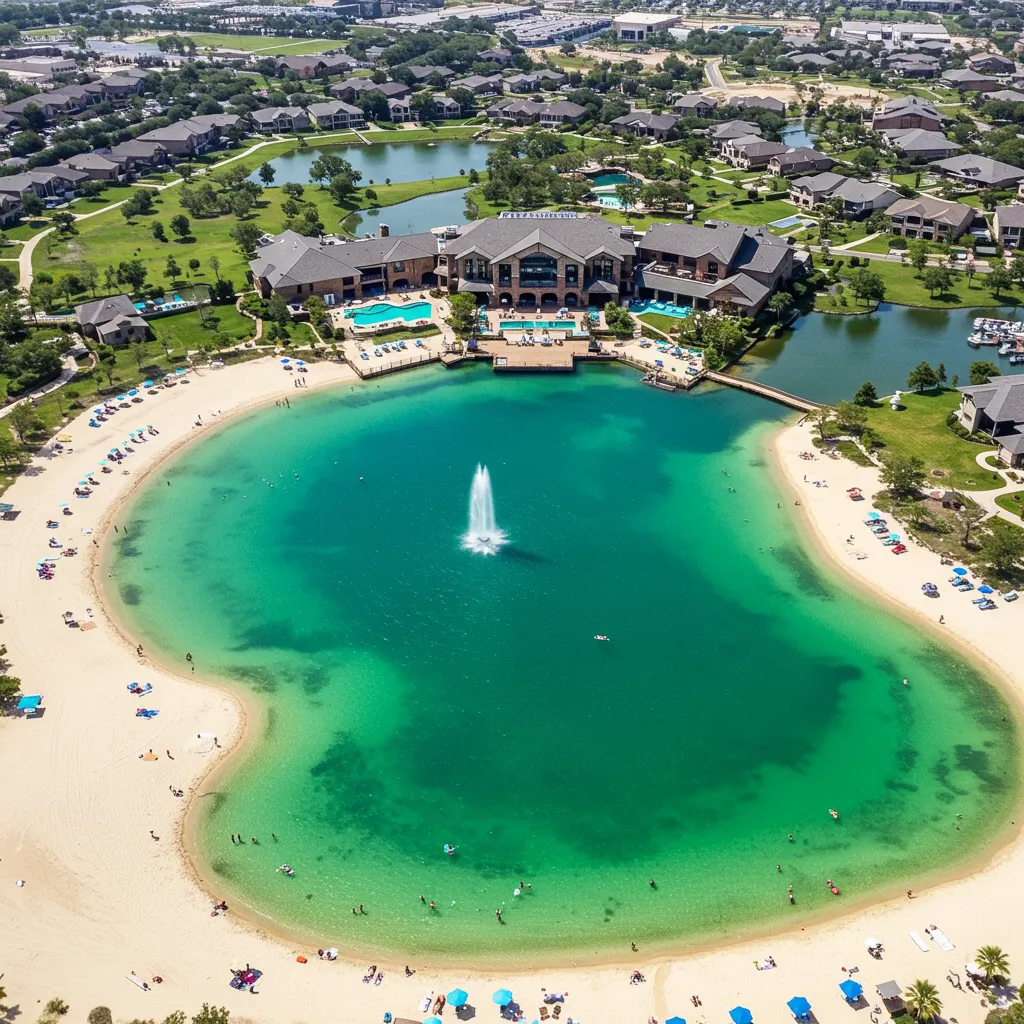
In 2026, the amenities that define DFW's top neighborhoods—like the iconic five-acre lagoon at Windsong Ranch or the "Town Center" at Light Farms—are significant financial commitments. Buyers must look beyond the "beach life" and understand the three-tier funding model: the purchase price (Impact Fees), the tax bill (PIDs/MUDs), and the monthly dues (HOA). Those who budget for these "extras" will find that the community value and lifestyle benefits can be a powerful investment in long-term property appreciation.
Key Takeaways
Monthly Dues: Expect to pay $50–$200+ monthly for the daily management of gyms and pools.
Tax Impact: PID/MUD assessments can add 1.5% to your total tax rate to pay off infrastructure debt.
Hidden Buy-In: "Impact Fees" for roads and water are included in your home's initial purchase price.
Reserve for the Future: Well-managed HOAs save 2026 dues to ensure amenities don't fall into disrepair a decade from now.

BLOG NAVIGATION
Contact Me By Filling Out
The Form Below
We Can Help You Reach Your Real Estate Goals!
Get In Touch With Me
Office 1229 E. Pleasant Run Ste 224, DeSoto TX 75115
Call :(713) 505-2280
Email: [email protected]
Site: www.stevenjthomas.com
Facebook
Instagram
X
LinkedIn
Youtube
TikTok