
Refind Realty Blog
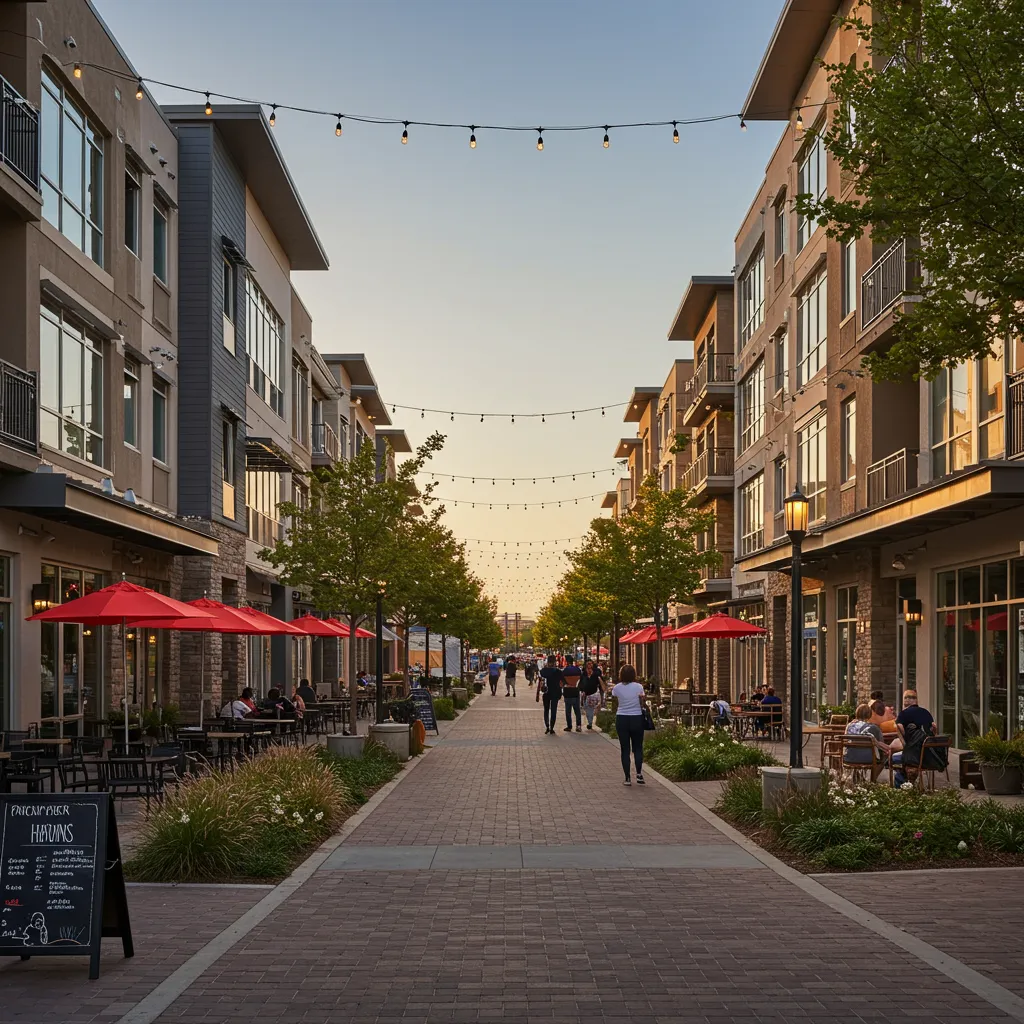
Best Walkable Suburbs in DFW 2026 | Beyond Bishop Arts | Refind Realty DFW
A Local’s Guide to the Best "Walkable" Suburbs in DFW (Beyond Bishop Arts)

Direct Answer
By 2026, the best walkable suburbs in DFW go far beyond the Dallas city limits, led by Frisco Station and Legacy West in Plano. These developments are "built-from-scratch" urban ecosystems where residents can walk from luxury high-rise apartments to Fortune 500 offices and Michelin-worthy dining in under 10 minutes. For those seeking historic charm, Downtown McKinney and Grapevine’s Main Street offer a "classic" walkability anchored by local boutiques and winery tasting rooms. In 2026, these areas command a 15–20% price premium over traditional car-dependent subdivisions, reflecting a massive shift in buyer demand toward "connected" living.
Book your Home Goals consultation to tour the most walkable pockets in North Texas today: https://stevenjthomas.com/home-goals
1. The "Micro-Urban" Powerhouses
These are modern, high-density developments designed for the 2026 remote-work and lifestyle-first professional.
Frisco Station & The Star (Frisco): This is the crown jewel of the North Platinum Corridor. With 30+ restaurants at The Star and the connected trails of Frisco Station, you can live at The Skyhouse and walk to a Cowboys practice or a Whole Foods without ever touching your keys.
Legacy West & The Shops at Legacy (Plano): Effectively a "city within a city," this area features the Legacy Food Hall and a pedestrian-only retail strip that rivals European boulevards. It is one of the few places in North Texas where a car-free life is actually feasible.
Southlake Town Square (Southlake): Designed as a "New Urbanist" town center, this 130-acre district blends high-end retail like Apple and Tesla with luxury brownstones. It offers a "Manhattan-lite" experience with Texas-sized safety and school ratings.
2. The "Historic Heart" Walkables
For buyers who find modern glass towers too sterile, these suburbs offer walkability with a soul.
Historic Downtown McKinney: Anchored by a 165-year-old courthouse square, this district features over 120 independent shops and restaurants. In 2026, the McKinney East redevelopment has connected the square to new walkable residential lofts, making it a top-tier "heritage" walkable.
Main Street Grapevine: Known as the "Christmas Capital of Texas," Grapevine's walkability is boosted by the TEXRail station. Residents can live in transit-oriented condos and walk to the vintage railroad, local breweries, or hop on a train directly to DFW Airport.
Downtown Plano (Haggard Park): This area offers an "artsy" alternative to Legacy West. With its red-brick streets, independent coffee shops, and direct access to the DART Rail, it provides a bohemian urban feel in the heart of Collin County.
3. Emerging 2026 Walkable "Sleepers"
Adriatica (McKinney): A 45-acre village modeled after a Croatian fishing port. It is 100% walkable once you are inside the "village," featuring cobblestone streets, a bell tower, and waterfront dining.
Watters Creek (Allen): A resort-style mixed-use development where the residential units overlook a creek and a sprawling green space used for outdoor concerts and movie nights.
Conclusion
In 2026, DFW walkability is no longer restricted to the 635-loop. Whether you choose the ultra-modern luxury of Frisco or the storied bricks of McKinney, the "suburban urban" lifestyle is the fastest-growing segment of the North Texas market. These pockets offer a hedge against inflation and a massive boost to daily happiness by removing the one thing every North Texan hates: the commute.
Key Takeaways
The Premium: Walkable suburban pockets cost more per square foot but hold value better during market dips.
The Mix: Look for areas that blend Class A office space with retail to ensure weekday and weekend activity.
Transit Links: Suburbs with DART or TEXRail access (Grapevine, Plano) offer an extra layer of "future-proof" value.
Healthy Living: Walkable areas in DFW typically feature 3x more green space and trail connectivity than standard suburbs.
Investor Alert: High walkability scores are the #1 predictor for short-term and mid-term rental demand in 2026.

BLOG NAVIGATION
Contact Me By Filling Out
The Form Below
We Can Help You Reach Your Real Estate Goals!
Get In Touch With Me
Office 1229 E. Pleasant Run Ste 224, DeSoto TX 75115
Call :(713) 505-2280
Email: [email protected]
Site: www.stevenjthomas.com
Facebook
Instagram
X
LinkedIn
Youtube
TikTok