
Refind Realty Blog
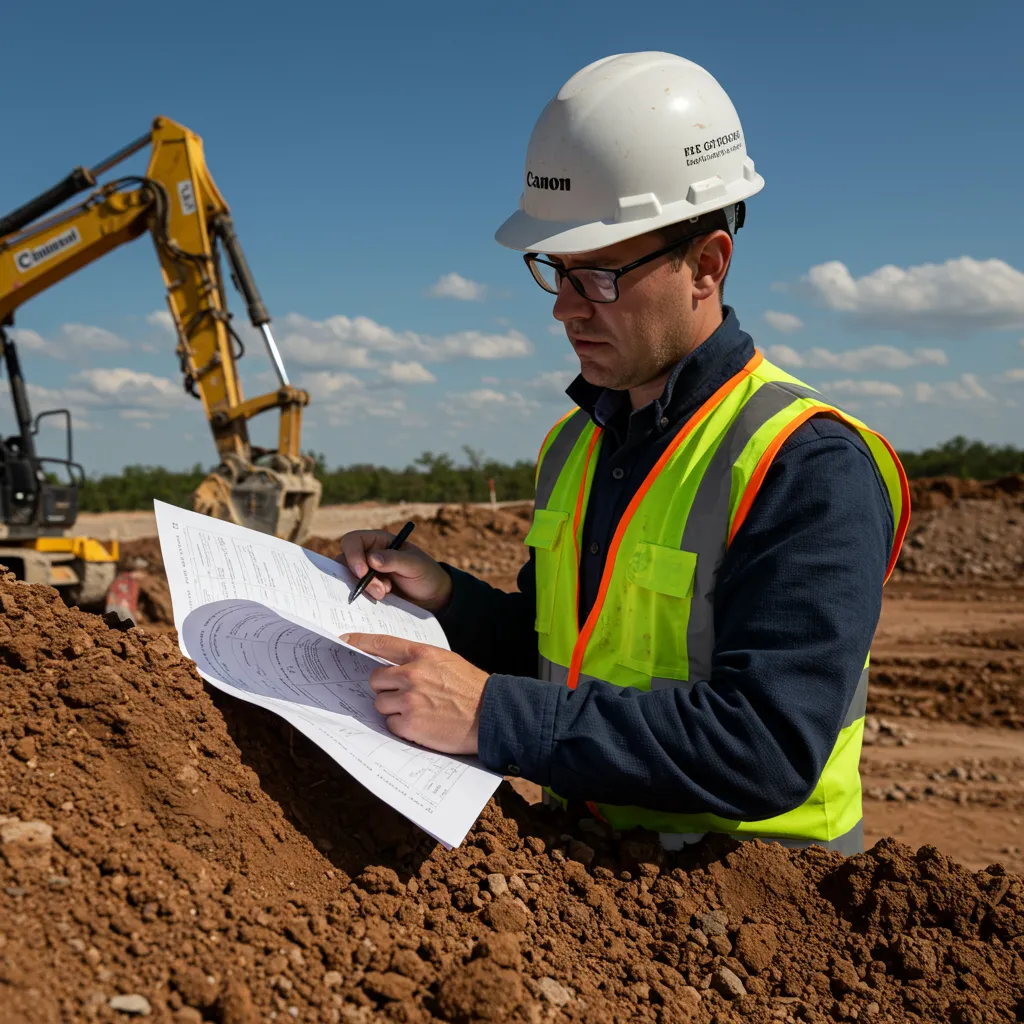
How to Verify Builder Soil Testing & Foundations in DFW | 2026 Guide
How to Verify a Builder’s "Soil Testing" and Foundation Standards in North Texas Clay

Direct Answer
To verify a builder’s soil testing in North Texas, you must request the Geotechnical (Soil) Report and the Foundation Engineering Plan for your specific lot. In 2026, Texas building codes require foundations to be engineered based on site-specific data. Look for a Plasticity Index (PI) in the soil report; in DFW, a PI over 30 indicates highly expansive clay. Confirm that a Third-Party Structural Engineer—not just the builder’s in-house team—has stamped and certified the final foundation design.
Book your Home Goals consultation to have a structural specialist review your builder's engineering reports: https://stevenjthomas.com/home-goals
1. The Three Documents You Must Request
Do not take the builder's word for it. Ask for these specific files during the "pre-pour" phase:
The Geotechnical Report: This is the result of soil borings. It classifies the soil and determines the "Potential Vertical Rise" (PVR). In DFW, a PVR higher than 1 inch typically requires specialized foundation design.
The Engineered Foundation Plan: This plan is created by a licensed Texas Structural Engineer using the data from the Geotechnical Report. It specifies the number of steel tendons (for post-tension) or the depth of piers.
The Pre-Pour Inspection Report: A third-party inspector must verify that the cables, rebar, and moisture barriers are installed exactly as the engineer planned before the concrete is poured.
2. Understanding the North Texas "PI" (Plasticity Index)
The "PI" tells you how much the clay will move.
PI < 15: Low expansion (rare in DFW). Standard slabs are usually fine.
PI 15–30: Moderate expansion. Requires extra reinforcement or thicker slabs.
PI 30+: High Expansion. Common in Frisco, Plano, and Irving. This soil requires a post-tension slab or deep piers that reach stable soil or rock beneath the clay.
3. Post-Tension Slabs: The DFW Standard
Most new DFW homes use post-tension slabs. Verify these two things:
The Cable Stamp: Once poured, look for the "End Caps" along the side of your slab. These prove the steel cables have been stressed (tightened) to the engineer's specifications.
Slab Height: Ensure the slab sits at least 8 to 12 inches above the final grade. This prevents water from sitting against the concrete, which is the leading cause of clay-related foundation failure.
4. Red Flags to Watch For
"Generic" Engineering: If the builder uses the same foundation plan for every house in the neighborhood without individual lot testing, walk away. Soil can change significantly within just 50 feet.
Standing Water: If you see standing water near the foundation forms before the pour, the soil is already saturated. This can lead to "heaving" later on.
No Moisture Barrier: In 2026, a high-quality vapor barrier (6-mil poly or better) is a must to keep the clay beneath your home at a consistent moisture level.
Conclusion
In North Texas, your foundation is only as good as the soil report it’s based on. By demanding the Geotechnical Report and verifying the Plasticity Index, you ensure that your builder isn't just "guessing" at what's under the surface. A few hundred dollars spent on an independent engineering review during construction can save you tens of thousands in foundation repairs five years down the road.
Key Takeaways
Ask for the Report: Always request the lot-specific Geotechnical Survey.
Know Your PI: Aim for specialized engineering if the Plasticity Index is over 30.
Third-Party is Best: Ensure a licensed structural engineer, not just the builder, approves the plan.
Verify Cable Stressing: Check for end-caps on post-tension slabs after the pour.
Drainage First: The best foundation will fail if the yard doesn't slope away from the house (min. 6 inches of fall in the first 10 feet).

BLOG NAVIGATION
Contact Me By Filling Out
The Form Below
We Can Help You Reach Your Real Estate Goals!
Get In Touch With Me
Office 1229 E. Pleasant Run Ste 224, DeSoto TX 75115
Call :(713) 505-2280
Email: [email protected]
Site: www.stevenjthomas.com
Facebook
Instagram
X
LinkedIn
Youtube
TikTok