
Refind Realty Blog
Selling a 90s Home for a 2026 DFW Smart Build | Refind Realty DFW
Selling Your 1990s Suburban Home to Buy a 2026 "Smart Community" Build

Direct Answer
Selling a 1990s home to buy a 2026 "Smart Community" build requires a two-pronged strategy: modernizing your current home's "visual barriers" (like honey-oak trim and fluorescent lighting) to appeal to today's aesthetic, while leveraging current builder incentives to offset the cost of high-tech new construction. In 2026, DFW builders are offering aggressive rate buydowns and $20,000–$50,000 in free upgrades to move inventory, making it the ideal time to trade in "dated character" for "predictive technology". By focusing on your 90s home's established location—which new builds often lack—you can command a premium that funds your leap into a self-managing home environment.
Book your Home Goals consultation to map your 90s-to-Smart transition: https://stevenjthomas.com/home-goals
1. Marketing Your 90s Home: "Modern Bones, Prime Location"
Homes from the 90s are in a "sweet spot" for 2026 buyers—they have modern electrical and plumbing but often suffer from dated aesthetics.
Remove Visual Barriers: 90s homes are famous for "pony walls" and arched doorways that block light. Removing these or simply painting the trim a crisp, modern white can instantly update the feel.
Kill the Fluorescents: Replace the "light boxes" in the kitchen with recessed LED lighting. 2026 buyers prioritize lighting that can adjust color temperature for wellness.
The "Established" Edge: Highlight your home’s mature trees and larger lot sizes. Most 2026 smart communities are built on smaller "zero-lot-line" parcels.
2. What Defines a 2026 "Smart Community" Build?
Moving into a smart community isn't just about gadgets; it's about a fundamentally different living experience.
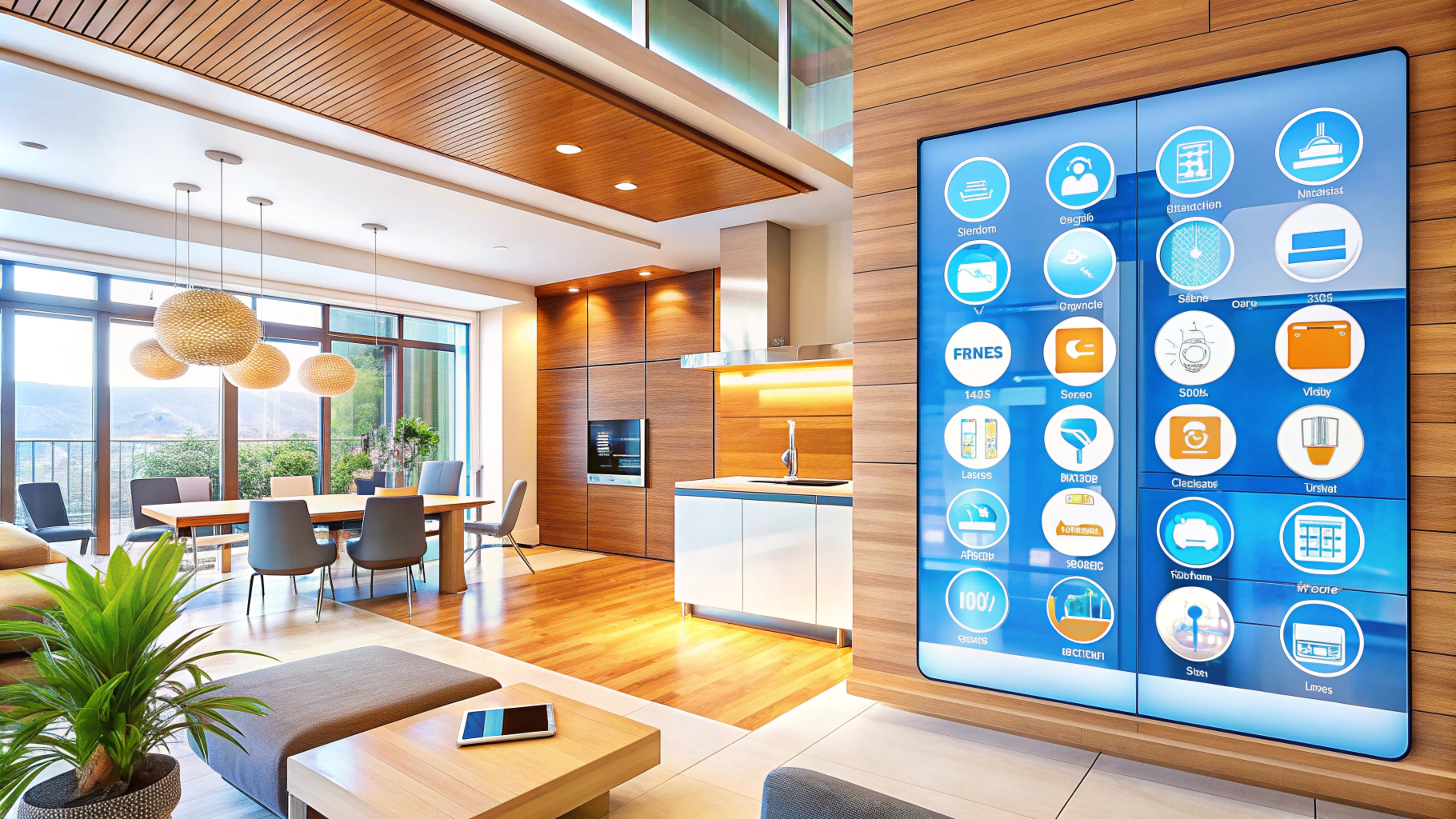
Invisible Integration: The trend for 2026 is technology that disappears. Think hidden speakers in cabinetry, automated sun-tracking shades, and voice control (like Josh.ai) that processes naturally rather than using clunky commands.
AI-Driven Management: These homes are "self-managing." AI learns your habits and automatically adjusts lighting, climate, and energy usage to minimize your footprint.
Predictive Maintenance: New builds now include sensors that can alert you to a pipe leak or a failing HVAC component before it becomes an emergency.
3. Financial Strategies for the Leap
Bridging the gap between 90s equity and 2026 prices requires navigating a unique financial landscape.
Leverage Builder Incentives: With high inventory in North Texas, builders are paying for permanent rate buydowns that can drop your mortgage rate by 1-2%, saving you hundreds monthly.
"As-Is" Pricing: If your 90s home needs major repairs (roof or foundation), pricing it as-is for an investor or DIY buyer can be faster than doing the work yourself, especially if the builder has a "quick-move-in" home ready for you.
MUD/PID Awareness: Be aware that many 2026 smart communities in DFW are in MUD or PID districts. These add to your monthly cost but fund the high-end amenities like crystal lagoons and fiber-optic backbones.
4. Neighborhood Spotlights: Where to Find the Tech
Prosper & Celina: These areas are currently the epicenter of DFW smart community growth, with builders like Highland and Landon Homes leading the charge in integrated technology.
The "Trifecta" Areas: Look for communities that offer the "trifecta"—top-rated schools, modern smart-home features, and manageable tax rates—to ensure your new build holds its resale value long-term.
Conclusion
Moving from a 1990s suburban classic to a 2026 smart home is a transition from "maintenance-heavy charm" to "intuitive convenience". In the current DFW market, your 90s home’s prime location is a high-value asset that, when marketed correctly, provides the financial engine to secure a future-proof lifestyle. By embracing both the visual updates needed for your current sale and the tech-forward incentives of a new build, you can ensure your move is as smart as the home you're buying.
Key Takeaways
Location is Your Lever: Use your 90s home's established neighborhood as a primary selling point.
"Invisible" Tech is Trending: In 2026, buyers want smart features that blend seamlessly into the design.
Don't Over-Upgrade: Focus on lighting and flooring in your current home; let the new build handle the tech.
Incentives are Abundant: Negotiate for rate buydowns and closing cost assistance with DFW builders.
Calculate Total Cost: Factor in MUD/PID taxes and HOA fees when comparing your 90s mortgage to a new smart build.
Custom HTML/CSS/JAVASCRIPT

BLOG NAVIGATION
Contact Me By Filling Out
The Form Below
We Can Help You Reach Your Real Estate Goals!
Get In Touch With Me
Office 1229 E. Pleasant Run Ste 224, DeSoto TX 75115
Call :(713) 505-2280
Email: [email protected]
Site: www.stevenjthomas.com
Facebook
Instagram
X
LinkedIn
Youtube
TikTok