
Refind Realty Blog
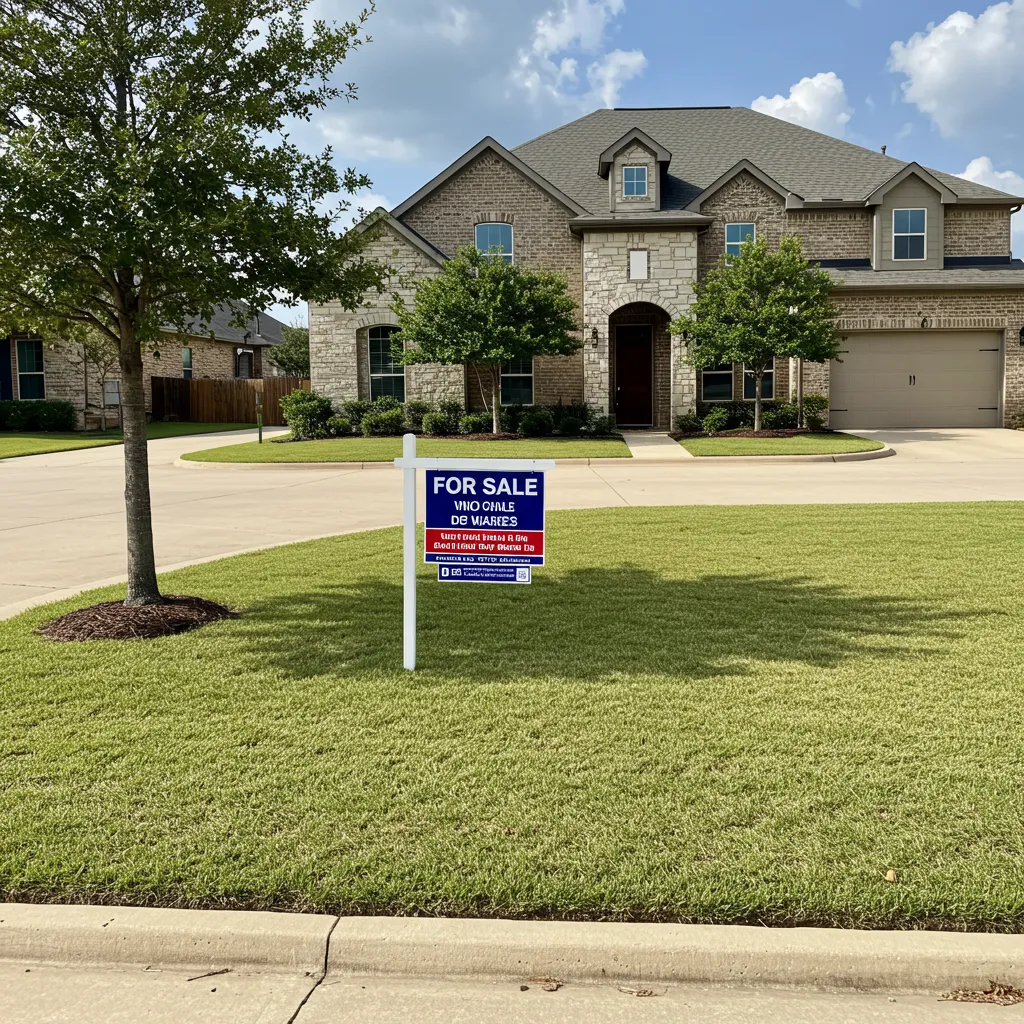
DFW Housing Forecast 2026: Why Stability is the New Boom | Refind Realty DFW
DFW Housing Forecast 2026: Why "Stability" is the New "Boom"

Direct Answer
The DFW housing forecast for 2026 predicts a "Market Reset" characterized by price flatlining and inventory growth. Unlike the double-digit appreciation of previous years, median home prices in Dallas-Fort Worth have largely corrected, with some counties seeing year-over-year dips of 4% to 5%, particularly in Collin and Denton. Mortgage rates have settled into a "new normal" in the low-6% range, which has finally begun to unlock the "lock-in effect," bringing more resale homes to the market. With inventory levels currently sitting at approximately 4 to 5 months of supply, DFW has moved out of a strict seller's market and into Balanced Territory, giving buyers more leverage to negotiate for the first time in nearly a decade.
Book your Home Goals consultation to see how 2026’s stable prices affect your buying power: https<span></span>://stevenjthomas.com/home-goals
1. The "Great Reset": 2026 Market Metrics
The frenzy is over, and the data proves that North Texas is currently one of the most stable—yet correction-prone—regions in the country.
Median Price Correction: The median home price in DFW for early 2026 is averaging $355,000, down roughly 5.3% year-over-year. This isn't a "crash" but a much-needed correction to align with current wage growth.
Days on Market (DOM): The "sold in a weekend" era is gone. Homes are now averaging 72 to 73 days on market, allowing buyers to conduct thorough inspections and think through their purchase.
Inventory Surge: Active listings have hit near-record highs, approaching 30,000 units across the metroplex. This provides a buffer that prevents the aggressive bidding wars of 2021-2022.
2. The Mortgage Rate "Sweet Spot"
In 2026, the psychological barrier of 7% rates has been broken, though they remain higher than the pandemic-era lows.
The 6% Anchor: Average 30-year fixed rates are averaging 6.1% to 6.3%. While higher than 2021, this rate is enticing enough for current homeowners to finally list their homes, increasing the flow of resale inventory.
Builder Buy-Downs: New construction builders continue to dominate by offering permanent rate buydowns into the 5s, often making "new" more affordable than "resale" on a monthly payment basis.
3. Regional Divergence: Winners and Losers
Stability doesn't mean every neighborhood is the same; 2026 is a year of hyper-local performance.
Softening in the North: Collin (-5.4%) and Denton (-5.1%) counties are seeing the largest price adjustments as massive new construction pipelines finally catch up to demand.
Urban Resilience: Dallas County remains a relative bright spot with a modest 1.5% price increase, driven by a lack of available land and a resurgence in "urban pocket" demand.
New Construction vs. Resale: In many northern submarkets, builders are now pricing below resale to maintain their sales pace, significantly reshaping buyer decision-making in growth corridors like Celina and Prosper.
Conclusion
In 2026, the DFW market is no longer about "winning" a bidding war; it’s about making a strategic investment. The "stability" we are seeing isn't a sign of a crash—it's the sign of a mature economy where supply and demand are finally in conversation. For buyers, 2026 offers the most negotiating power in a decade. For sellers, success now hinges on realistic pricing and flawless presentation rather than market hype.
Key Takeaways
Balanced Market: 4+ months of inventory means neither side has a massive advantage.
Price Softening: Expect median values to hover or decline slightly as the market finds its new floor.
Buyer Leverage: 2026 is the year of the "Inspection Negotiator"—sellers are once again paying for repairs and concessions.
New Build Edge: Builders in Collin and Denton counties are aggressively cutting prices to compete with resale.
Quality over Haste: Buyers are prioritizing school districts and established infrastructure over "FOMO."

BLOG NAVIGATION
Contact Me By Filling Out
The Form Below
We Can Help You Reach Your Real Estate Goals!
Get In Touch With Me
Office 1229 E. Pleasant Run Ste 224, DeSoto TX 75115
Call :(713) 505-2280
Email: [email protected]
Site: www.stevenjthomas.com
Facebook
Instagram
X
LinkedIn
Youtube
TikTok