
Refind Realty Blog
Impact of North Texas Humidity on Home Inspections | Refind Realty DFW
The Impact of North Texas Humidity on Your Pre-Listing Inspection

Direct Answer
In the 2026 DFW market, humidity-related findings now appear in over 40% of inspection reports, often manifesting as hidden mold, warped subflooring, or failing HVAC insulation. North Texas humidity acts as "fuel" for microbial growth, which can begin in as little as 24 to 48 hours once indoor levels exceed 60%. For sellers, a pre-listing inspection is critical to identify attic condensation and "invisible" moisture plumes caused by poor ventilation before a buyer’s inspector uses a thermal camera to flag these as major defects. Correcting these issues early prevents the "musty odor" red flag that can drop your home's valuation by 5–10%.
Book your Home Goals consultation to schedule a pre-listing moisture sweep before you hit the market: https<span></span>://stevenjthomas.com/home-goals
1. The Three Humidity "Hotspots" in North Texas Homes
Humidity doesn't just sit in the air; it migrates to the coldest surfaces in your home, creating "conducive conditions" for damage.
The Attic 'Micro-Climate': Without adequate ventilation, warm, moisture-laden air gets trapped under the roof sheathing. In 2026, inspectors are specifically looking for blocked soffit vents and bathroom exhaust fans that mistakenly vent into the attic rather than the exterior—a primary cause of "hidden" mold.
HVAC Condensation: When cold air-conditioned air meets the "sticky" 70% humidity of a Texas summer, condensation forms on vents and ducts. If your secondary drain pan is rusty or full, it's a sign that your system is struggling to dehumidify, which is an immediate red flag on an inspection report.
The Foundation & "Slab Sweat": High exterior humidity and poor drainage can cause moisture to seep into your slab. This "slab moisture intrusion" can lead to warped hardwood floors and peeling baseboards, which are often the first things a 2026 buyer notices.
2. Why Thermal Imaging is the 2026 Standard
Gone are the days when an inspector just looked for water stains.
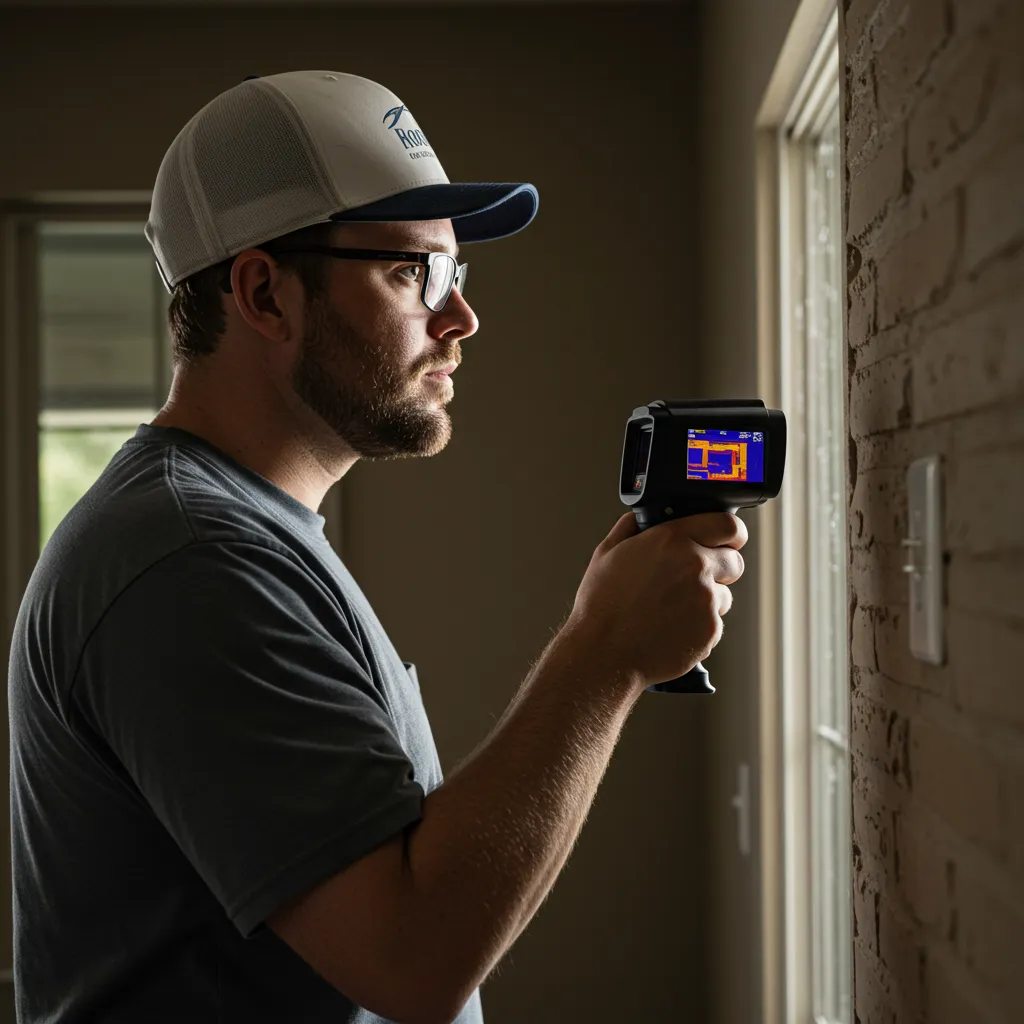
In 2026, DFW inspectors utilize Infrared Thermal Imaging and professional moisture meters to "see" through your walls. These tools detect the evaporative cooling effect of moisture, revealing leaks and high-humidity pockets that are invisible to the naked eye. As a seller, if you haven't performed a pre-listing sweep, a buyer's thermal report can make a minor humidity issue look like a catastrophic flood, potentially killing your deal.
3. Pre-Listing Fixes to Pass the "Humidity Test"
Manage the "Sticky" Air: Aim for an indoor humidity level between 30% and 50%. If your home consistently feels damp, consider installing a whole-home dehumidifier before listing to eliminate that tell-tale "musty" smell.
Clear the Vents: Ensure all soffit and ridge vents are clear of debris or insulation. A well-ventilated attic can be 20–30 degrees cooler and significantly drier.
Check the "P-Traps" and Pans: Have an HVAC professional clear your condensate lines and ensure the primary and secondary pans are bone-dry.
Conclusion
In North Texas, humidity is the silent negotiator. In 2026, a house that "smells like Texas" or shows signs of condensation will face aggressive repair demands or price drops. By addressing these invisible moisture issues during a pre-listing inspection, you can protect your equity and ensure your home's first impression is one of crisp, clean, and well-maintained luxury.
Key Takeaways
The 60% Rule: Mold can begin growing within 24–48 hours if humidity stays above 60%.
Attic Danger: Bathroom fans venting into the attic are the #1 source of moisture-related inspection failures.
Visible Clues: Bubbling paint, warped wood, and foggy windows are early warning signs of humidity damage.
The Tech Factor: Expect 2026 inspectors to use thermal imaging to find "hidden" moisture.

BLOG NAVIGATION
Contact Me By Filling Out
The Form Below
We Can Help You Reach Your Real Estate Goals!
Get In Touch With Me
Office 1229 E. Pleasant Run Ste 224, DeSoto TX 75115
Call :(713) 505-2280
Email: [email protected]
Site: www.stevenjthomas.com
Facebook
Instagram
X
LinkedIn
Youtube
TikTok