How the Silver Tsunami Reshapes DFW Senior Living | Refind Realty DFW
How the "Silver Tsunami" is Changing Retirement Communities in North Texas

Direct Answer
The "Silver Tsunami" is changing North Texas retirement communities by shifting the market from traditional nursing homes to Active Adult (55+) and Continuing Care Retirement Communities (CCRCs) that function more like luxury resorts than care facilities. In 2026, demand has pushed DFW senior housing occupancy rates toward 90%, the highest in 20 years. Today's North Texas retirees are demanding wellness-centered amenities—such as chef-driven dining, pickleball courts, and AI-integrated health monitoring—rather than the "Victorian porches" of previous generations. This influx is also creating a massive "supply-demand imbalance," leading to longer waitlists and a rise in multigenerational living, with 17% of DFW buyers now seeking homes with ADUs or casitas to house aging parents.
Book your Home Goals consultation to explore active adult communities or multigenerational properties in DFW: https://stevenjthomas.com/home-goals
1. The Shift to "Active Adult" and Wellness
Baby Boomers are redefining retirement as an active phase of life rather than a period of decline.
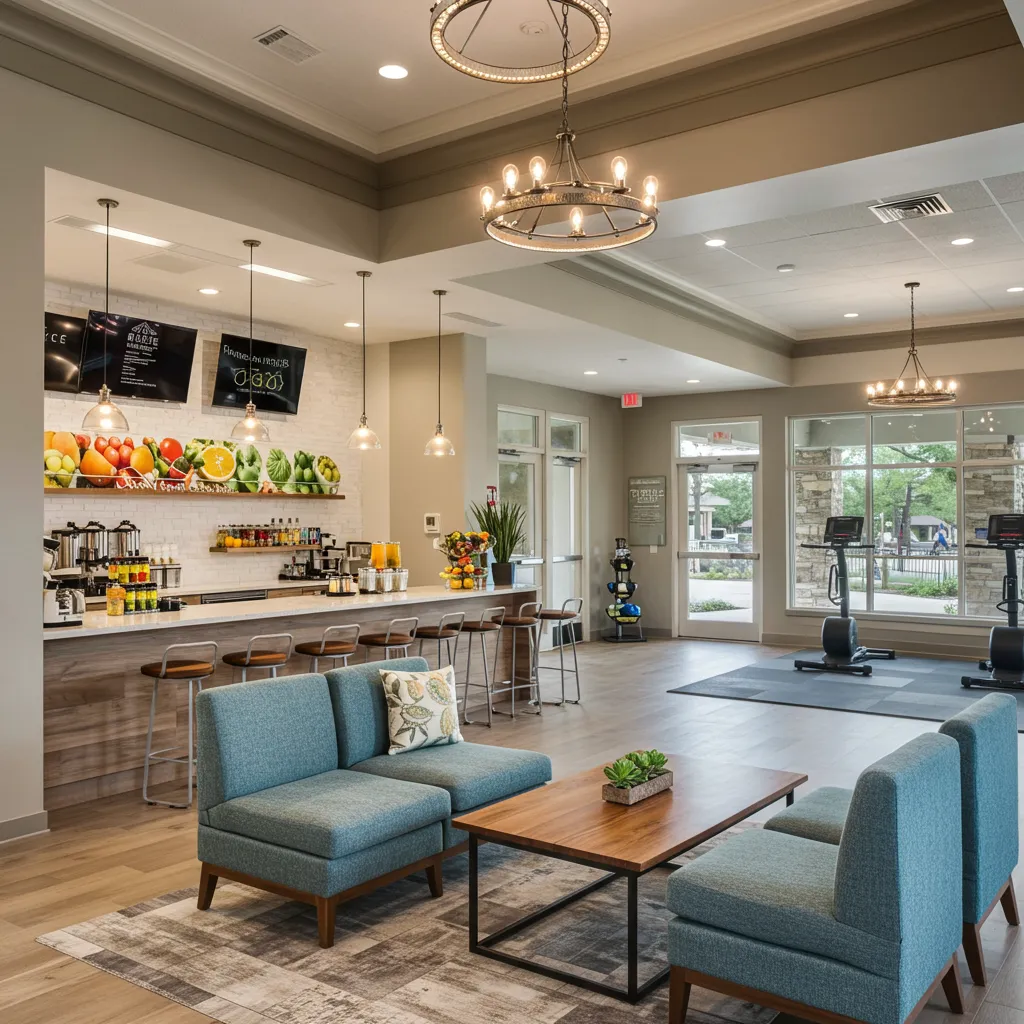
Hospitality over Healthcare: Modern DFW communities like those in Allen or McKinney now feature pizza ovens, juice bars, and golf simulators.
Preventative Wellness: Communities are integrating on-site doctor's offices and physical therapy clinics directly adjacent to spas and fitness centers to promote "proactive" rather than "reactive" care.
Contemporary Design: Gone are the "ornate gables" of old; 2026 architecture favors clean lines, sleek materials, and homelike units with full kitchens and private laundry.
2. Technology and the "Smart" Senior
The 2026 retiree cohort is the most tech-proficient in history, driving a "tech-first" standard in new builds.
AI-Assisted Staffing: To combat the ongoing caregiver shortage in Texas, communities are using AI tools for safety monitoring and care coordination.
Smart Home Integration: Standard units now include smart-home sensors and wearable health monitoring as baseline features.
Connectivity: High-speed internet is no longer an "amenity" but a necessity, as many DFW seniors continue to work part-time or consult during their retirement.
3. The Economic Realities of 2026
The sheer volume of aging Texans is straining the existing infrastructure and market.
Waitlist Warnings: With development lagging behind demand (3.5 times the current pace is needed), waitlists for premium North Texas communities are becoming multi-year commitments.
Rightsizing Competition: As seniors downsize, they are increasingly competing with first-time homebuyers for smaller "starter" homes, keeping price pressure high across the DFW market.
Multigenerational Surge: A record number of North Texas families are selling two homes to buy one property with an ADU (Accessory Dwelling Unit), allowing for independent living on the same lot.
4. North Texas Market Specifics
DFW is a "primary market" for senior housing, but growth is unevenly distributed.
Suburban Dominance: Senior living is moving away from isolated campuses toward mixed-use environments in suburbs like Frisco and Southlake, where residents remain close to retail and family.
Occupancy Peaks: While most DFW submarkets are above 90% occupancy, only Austin in the broader Texas region has remained below that threshold in 2026.
Conclusion
The Silver Tsunami is not a "crisis" but a transformation of North Texas living. In 2026, the successful communities are those that blend care, comfort, and choice, treating aging as a vibrant continuation of lifestyle. For families navigating this wave, early planning is essential to secure a spot in a Life Plan Community before waitlists grow longer and options become more limited.
Key Takeaways
Active is the Standard: Boomers are trading nursing homes for resort-style active adult communities.
Technology Integrated: 2026 communities use AI and smart sensors for proactive health management.
Waitlists are Real: DFW senior housing occupancy is nearing 90%, making early "rightsizing" moves critical.
Multigenerational Living: High costs and care needs are driving a record surge in ADU and casita construction in North Texas.
Location Matters: Development is shifting toward suburban, mixed-use areas to keep seniors connected to family and services.


