Pros & Cons of Buying in a DFW Neighborhood Final Phase | Refind Realty DFW
The Pros and Cons of Buying in the "Final Phase" of a DFW Neighborhood

Direct Answer
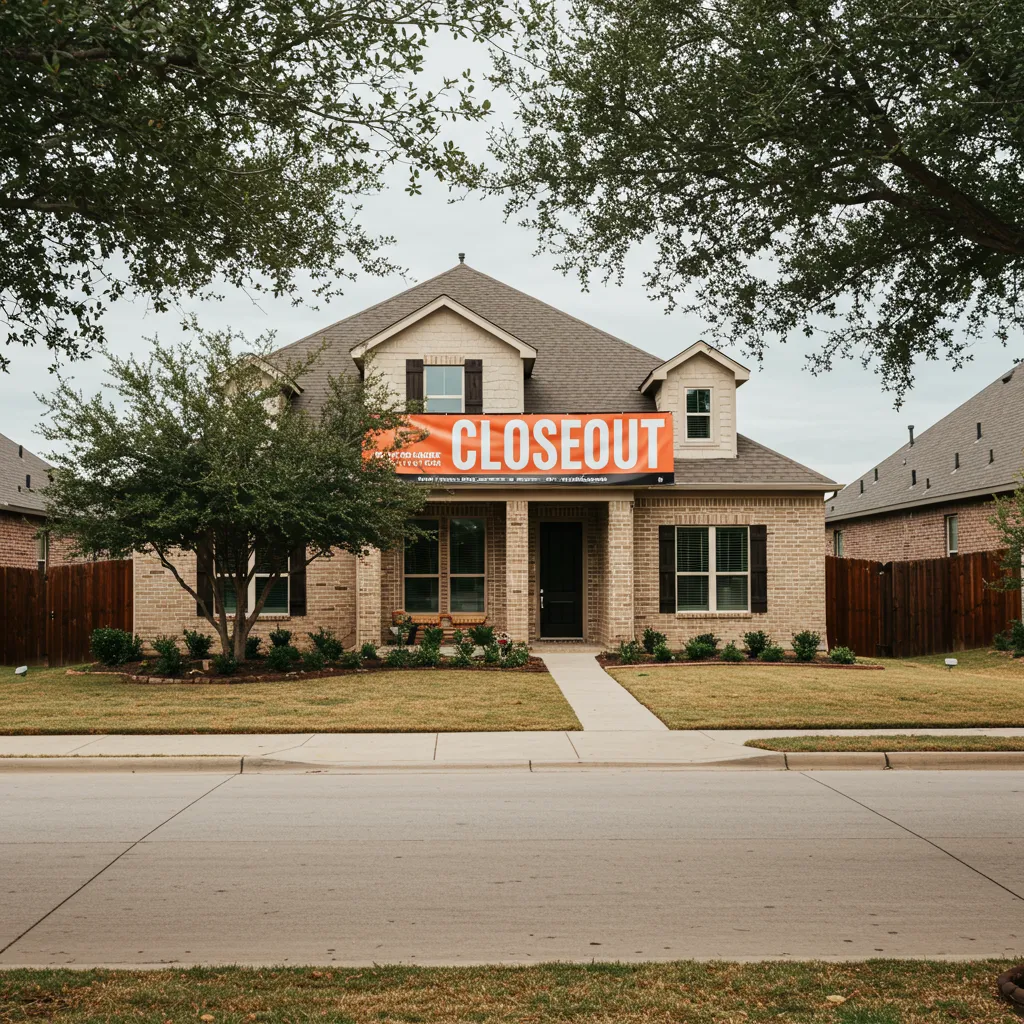
In 2026, buying in the Final Phase of a DFW neighborhood is ideal for buyers prioritizing community certainty and "closeout" incentives. The primary pros include a quieter living environment (construction is 90% complete), established amenities like pools and parks that are fully operational, and potential builder discounts to "zero out" remaining inventory. However, the cons involve limited customization, as many final phase homes are "Quick Move-In" (inventory) models with pre-selected finishes, and often higher base prices than early-phase buyers paid. While you might miss out on the initial equity spike seen by first-phase pioneers, you gain the peace of mind of knowing exactly what the finished neighborhood looks like.
Book your Home Goals consultation to see if a Final Phase "Closeout" or a New Phase "Pre-Sale" fits your 2026 strategy: https<span></span>://stevenjthomas.com/home-goals
1. The Pros: Stability and Incentives
"Closeout" Pricing & Concessions: In 2026, DFW builders are eager to move their final few units to relocate their sales teams to new projects. This often leads to "unadvertised" incentives, such as $20,000+ toward closing costs or permanent rate buydowns to 5.5% or lower.
Neighborhood Maturity: Unlike early buyers who live among dust, trucks, and porta-potties, final phase buyers move into a polished product. Roads are paved, the HOA is established, and the "vision" is no longer just a rendering.
Operational Amenities: You don’t have to wait three years for the community pool or fitness center to open. In the final phase, the amenities are usually "battle-tested" and ready for immediate use.
2. The Cons: Limited Choice and Premium Pricing
The "Take It or Leave It" Selection: Most homes in the final phase are "spec" or inventory homes. You likely won't get to choose your granite, flooring, or cabinet colors, as the builder has already ordered the materials to ensure a fast close.
Price Appreciation Gap: Builders raise prices as communities sell out. By the final phase, you are likely paying the "ceiling" price for the neighborhood. While your value is stable, you won't see the same rapid equity growth that the "Phase 1" risk-takers enjoyed.
Leftover Lots: The "prime" lots (greenbelts, cul-de-sacs, oversized corners) are often the first to go. Final phase buyers frequently have to choose from the remaining standard lots, which may back up to busier roads or less desirable perimeters.
3. 2026 Market Context: The "Clarity" Factor
In 2026, with the Texas property tax homestead exemption now at $140,000, buying in a final phase offers a clearer picture of your tax burden.
Tax Predictability: In early phases, property tax assessments can be volatile as the community "builds out." In the final phase, the MUD (Municipal Utility District) or PID (Public Improvement District) taxes are often stabilized, giving you a more accurate monthly payment forecast.
Construction Quiet: With 95% of your neighbors already moved in, the noise of hammers and saws is largely replaced by the sound of a settled neighborhood, a massive quality-of-life perk for remote workers.
Conclusion
Buying in the final phase of a DFW neighborhood is a "low-risk, high-certainty" move. You trade the ability to customize every detail for the luxury of a finished community and the potential for significant builder closeout incentives. If you are a buyer who wants to avoid the "construction zone" lifestyle and values a predictable, move-in-ready experience, the final phase is your best path in 2026.
Key Takeaways
Incentive Hunter: Look for "Closeout" deals where builders are motivated to move final inventory.
Amenity Ready: No waiting for parks or pools; the community is already "live."
Higher Floor, Lower Ceiling: You pay a higher entry price but gain immediate neighborhood stability.
Limited Customization: Expect "Quick Move-In" homes where the builder has already chosen the finishes.
Predictable Taxes: MUD/PID assessments are typically more stable by the final phase.


