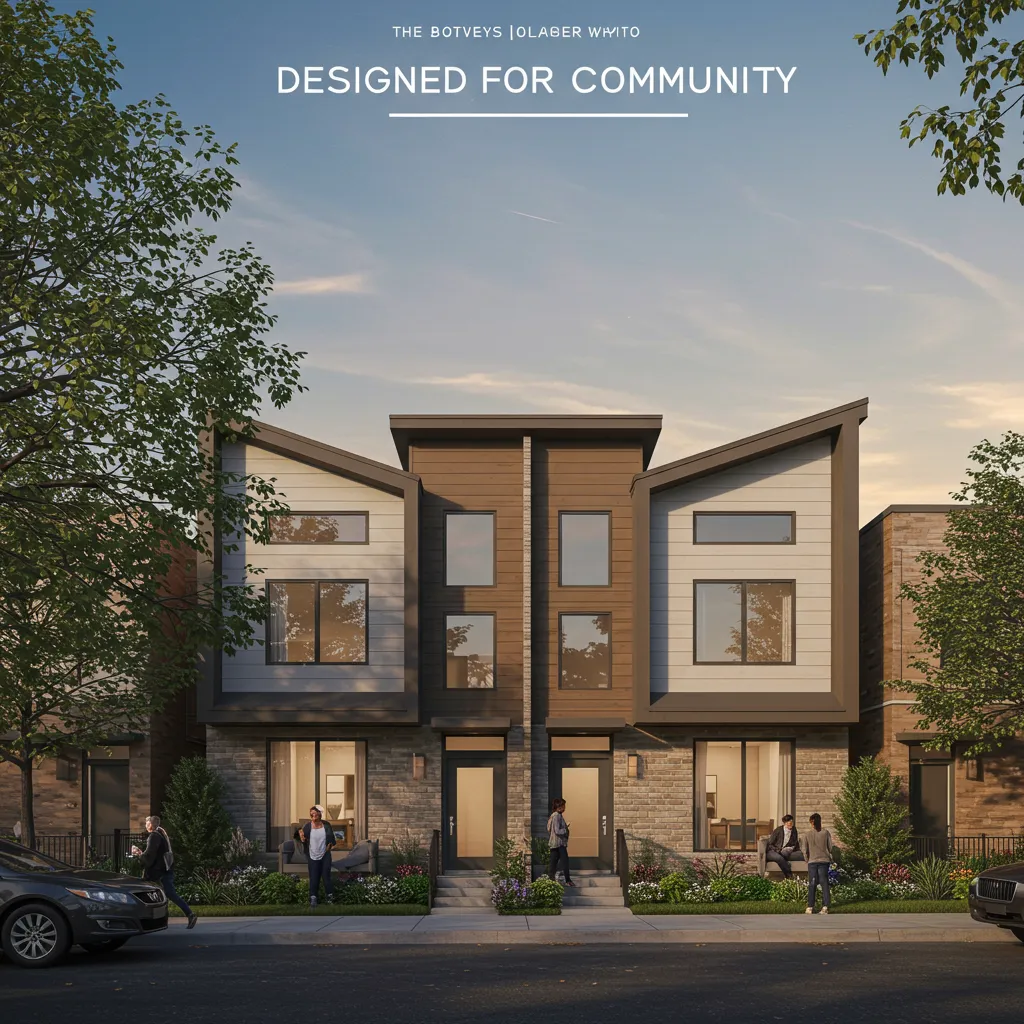
Multi-Generational Zoning Trends in DFW 2026 | Refind Realty DFW
The Role of "Multi-Generational" Zoning in Future DFW Housing Developments

Direct Answer
In 2026, Multi-Generational Zoning is transforming DFW by legalizing and incentivizing the construction of Accessory Dwelling Units (ADUs) and "Missing Middle" housing like duplexes and triplexes. Driven by the Texas HB 2789—which restricts cities from enforcing overly burdensome rules on ADUs—and the ongoing Dallas Development Code (Chapter 51A) rewrite, North Texas cities are increasingly allowing two or more independent living units on a single-family lot. This shift addresses the "Silver Tsunami" of retirees who want to age in place near family and provides an affordability safety valve for adult children by allowing families to pool land and utility costs on a single property.
Book your Home Goals consultation to see how new multi-generational zoning laws affect your property value: https://stevenjthomas.com/home-goals
1. The Drivers of Multi-Generational Zoning in DFW
The push for flexible zoning is a response to three major North Texas pressures in 2026.
The Affordability Gap: With median home prices in Dallas and Fort Worth remaining elevated, many families find the only way to afford high-value neighborhoods is to share the "carrying costs" of a single lot.
The Silver Tsunami: As the first Boomers turn 80 in 2026, there is a record demand for "Granny Flats" or "Mother-in-Law Suites" that offer privacy but maintain proximity for caregiving.
Neighborhood Resilience: Multi-generational zoning allows for "gentle density," increasing the housing supply in established neighborhoods like Lake Highlands or Arlington without the disruptive impact of large-scale apartment complexes.
2. Legislative Reform: HB 2789 and SB 840
State-level legislation has effectively bypassed local "NIMBY" (Not In My Backyard) restrictions that previously blocked multi-generational growth.
HB 2789 (The ADU Bill): This law prohibits DFW cities from enforcing rules that make ADUs impossible to build, such as requiring excessive lot sizes or "owner-occupancy" of the primary home. It mandates that setbacks for these units cannot exceed 5 feet in most cases.
SB 840 (Parking and Density): Effective since late 2025, this bill limits the city's ability to require more than one parking space per unit for multi-family projects and streamlines the conversion of existing structures like garages or workshops into habitable suites.
Impact on Development: These laws have created an "administrative approval pathway," meaning that if your ADU meets the base standards, the city can no longer subject you to discretionary public hearings or subjective "design reviews."
3. Design Trends: "Living Pods" and Universal Access
Architects in 2026 are responding to these zoning shifts with specialized floor plans that prioritize both connection and total independence.
Next Gen Suites: Many DFW builders are now including "suites within a home" that feature private entrances, kitchenettes, and dedicated laundry facilities.
Universal Design: To accommodate aging residents, 2026 multi-gen designs favor zero-step entries, 36-inch wide doorways for wheelchairs, and reinforced bathroom walls for future grab-bar installation.
Acoustic Privacy: Thicker insulation and "staggered stud" wall construction are becoming standard to ensure that different generations can maintain separate sleep and work schedules without noise disruption.
4. Impact on Property Values and Community Health
Multi-generational zoning is not just a housing fix; it is an equity and wealth-building tool.
Asset Maximization: Building an ADU in a high-demand area like Plano or Frisco can increase total property value by 20% to 30% while providing immediate rental income or family support.
Social Connectivity: These developments reduce the social isolation of seniors and provide a built-in childcare network for young families, strengthening the "social fabric" of North Texas neighborhoods.
Sustainable Growth: By using existing infrastructure (water, power, and roads) more efficiently, multi-generational housing reduces the "sprawl" that continues to push DFW boundaries into rural areas.
Conclusion
In 2026, multi-generational zoning is no longer a niche concept; it is a foundational part of the Dallas Housing Policy 2033 and regional affordability strategies. By allowing "one lot, multiple lives," DFW is creating a more resilient housing market that adapts to the needs of its people rather than forcing them to adapt to outdated codes. Whether it is an ADU for an aging parent or a triplex for a young professional, this zoning shift is the key to a more connected and affordable North Texas.
Key Takeaways
Statewide Preemption: Texas laws (HB 2789) have largely removed the local red tape that used to block "Granny Flats" and ADUs.
Affordability Tool: Sharing a single property allows families to combat high interest rates and property taxes in 2026.
Aging in Proximity: Multi-gen suites allow for independent living with a "safety net" of family members just steps away.
Code Modernization: The Dallas Chapter 51A rewrite is the most significant update to local development rules in 40 years.
Wealth Building: Adding a secondary unit is one of the highest-ROI improvements a DFW homeowner can make in the current market.


