Marketing Your DFW Smart Home: What Stays & What Goes (2026) | Refind Realty DFW
Marketing Your DFW Smart Home: What Stays & What Goes

Direct Answer
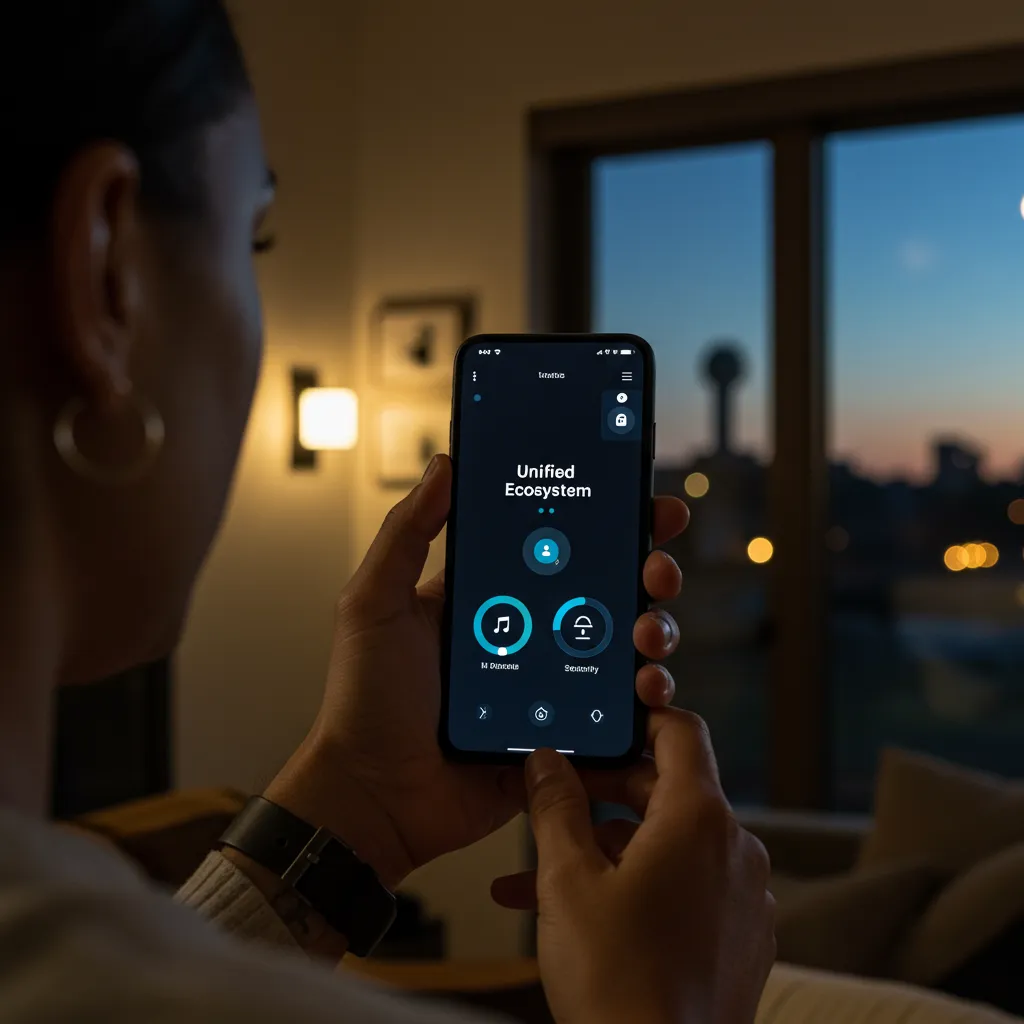
In the 2026 DFW market, smart technology conveys if it is "permanently annexed" to the property, such as smart thermostats, hardwired doorbell cameras, smart locks, and wall-mounted AI hubs. Devices that are "plug-and-play," like smart speakers (Alexa/Google Home), countertop kitchen robots, or standalone air purifiers, are considered personal property and do not stay unless specifically negotiated. To market effectively, you must highlight your home's "Unified Ecosystem" (e.g., Matter 1.3 compatibility), which allows different brands to speak the same language locally without relying on slow cloud services. Homes with integrated Smart Energy Systems (panels, breakers, and EV chargers) are seeing a 5% to 10% increase in resale value and faster closing times in 2026.
Book your Home Goals consultation to receive our 2026 "Smart Home Handover Guide" and ensure your tech adds value without causing contract friction: https://stevenjthomas.com/home-goals
1. What Conveys? (The 'TREC' Rule of Thumb)
The 2026 TREC contract considers any tech "built-in" as a fixture that must stay with the home.
Smart Locks & Access: Biometric locks and palm-vein scanners (now common in 2026) are core property access tools and almost always stay.
Climate & Lighting: Smart thermostats and integrated LED ceiling systems (like Govee’s AI-sync lighting) are considered fixtures.
Energy Infrastructure: Smart electrical panels and integrated solar/battery monitoring systems are permanent additions that provide the highest ROI in 2026.
Safety Sensors: AI fire detectors and humidity sensors that trigger bathroom fans stay, as they are part of the home's "protective shell".
2. What Goes? (Personal Property Highlights)
If it requires a simple unplugging, it’s likely yours to keep.
Household Robots: The popular LG AI Home Robots or laundry-folding assistants of 2026 are considered "Robot Butlers" and do not convey.
Wearables & Hubs: Local AI MindClips or similar transcription wearables are personal property.
Kitchen Tech: Countertop smart ovens and AI-driven countertop appliances are excluded unless written into the contract.
3. Marketing 'Invisible Intelligence' in 2026
Buyers in 2026 don't want "flashy features"—they want meaningful progress.
The 'Privacy' Pitch: Highlight that your home uses Local AI Hubs (Matter 1.3 standard) that process data inside the house rather than sending sensitive household rhythms to the cloud.
The 'Energy Wallet' Appeal: Market the $1,200–$2,000 in annual savings generated by your smart HVAC and energy-scheduling tools. In a market with 6.5% interest rates, utility savings are a major closing incentive.
The 'Matter' Standard: If your home is Matter-compatible, mention it. It tells 2026 buyers they won't be "locked" into a single brand and can easily add their own devices later.
Conclusion
In 2026, the DFW smart home isn't about having the most gadgets—it's about having a reliable, secure, and energy-efficient ecosystem. By clearly disclosing what conveys in the TREC contract and marketing the "invisible" benefits of your home's AI, you position your property as a modern, high-value asset that stands out in North Texas's active inventory.
Key Takeaways
Conveyance Rule: If it's hardwired or mounted, it stays (locks, thermostats, energy panels).
Value Add: Smart energy and AI systems can increase home value by 5-10%.
Buyer Priority: 2026 buyers want privacy (local AI) and interoperability (Matter standard).
Marketing Edge: Focus on "Invisible Intelligence" and utility savings to drive engagement.


