DFW's Tollway Culture: Impact on Your 2026 Monthly Budget | Refind Realty DFW
How DFW’s "Tollway Culture" Affects Your Monthly Budget (What Newcomers Don't Realize)

Direct Answer
For regular commuters in 2026, DFW tolls typically add $100 to $200 per month to the household budget. While base rates for standard two-axle vehicles average approximately 22.4 cents per mile on major arteries like the Dallas North Tollway (DNT) and the President George Bush Turnpike (PGBT), the total cost scales rapidly with daily usage. Newcomers often underestimate these costs because they are billed separately from fuel and auto insurance, and dynamic "managed lanes" on major interstates like I-635 (LBJ) and I-35W use real-time pricing that can significantly increase a single trip's cost during peak congestion.
Book your Home Goals consultation to see how a specific neighborhood's toll-dependency affects your bottom line: https<span></span>://stevenjthomas.com/home-goals
1. The Monthly Reality: Budgeting for the "Invisible" Tax
In North Texas, tolls are often a "pay-for-time" trade-off that most residents eventually accept.
Regular DFW commuters should plan for $1,200 to $2,400 annually in toll expenses, as these costs rarely get factored into a housing budget but quietly impact long-term satisfaction. Using a TollTag is non-negotiable for budget management, as it offers the baseline rate while those without a tag face significantly higher premiums. The NTTA’s 2026 budget reflects continued investment in expansion projects, such as the DNT extension to US 380 and lane additions on the PGBT, ensuring that more lane miles are becoming revenue-producing to keep up with rapid regional growth.
2. TollTag vs. ZipCash: The Newcomer’s Trap
The payment method you choose has the single largest impact on your monthly transportation spend, with ZipCash pay-by-mail rates typically being double the TollTag rate. For instance, whereas a TollTag user pays a baseline rate of roughly 22.4 cents per mile, a ZipCash customer will pay approximately 44.8 cents per mile for the same trip. Newcomers who wait for a bill in the mail often face "sticker shock" from these 100% higher rates and may incur additional late fees if payments are overdue. TollTag accounts require a prepaid balance (usually $20 or $40) that auto-replenishes from a credit or debit card, making it essential to monitor for unexpected bank drafts during heavy commuting periods.
3. Hidden "Managed Lane" Costs
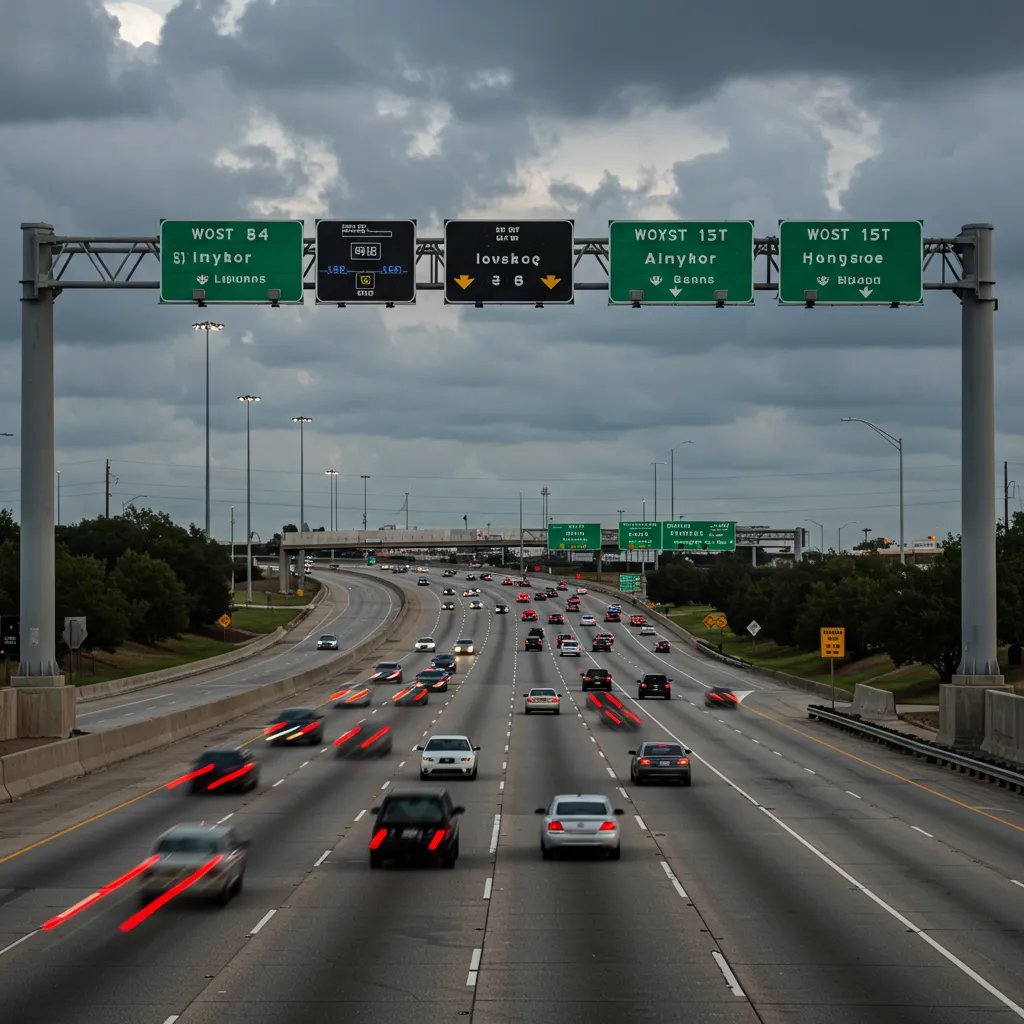
Major interstates in DFW, including I-635, I-35W, and I-820, feature TEXpress Lanes which use dynamic pricing to maintain a minimum speed of 50 MPH. Unlike the fixed rates on standard tollways, TEXpress rates fluctuate based on real-time traffic volume. During peak hours or severe congestion, a single trip can cost anywhere from $5 to $15 or more, making these lanes the most volatile and hardest part of a newcomer’s budget to predict. While these lanes offer a vital escape from gridlock, they function as a premium expense that can quickly inflate a monthly budget if used daily.
Conclusion
In 2026, the DFW "Tollway Culture" is an essential consideration for anyone moving to North Texas. While these roads offer some of the most reliable commute times in the country, they function as a significant monthly expense. Newcomers who prioritize a TollTag and understand the difference between fixed-rate tollways and dynamic managed lanes will find their transition to the Metroplex much smoother on their wallet.
Key Takeaways
Plan for $150/month: A safe baseline for a single-car commuter.
Always use a TollTag: Save 50% compared to ZipCash pay-by-mail rates.
Watch the TEXpress: Use these lanes only when time is more valuable than the surge price.
Location Matters: Living near toll-free corridors like I-35E or US 75 can save thousands annually, though often at the cost of longer or more unpredictable drive times.


