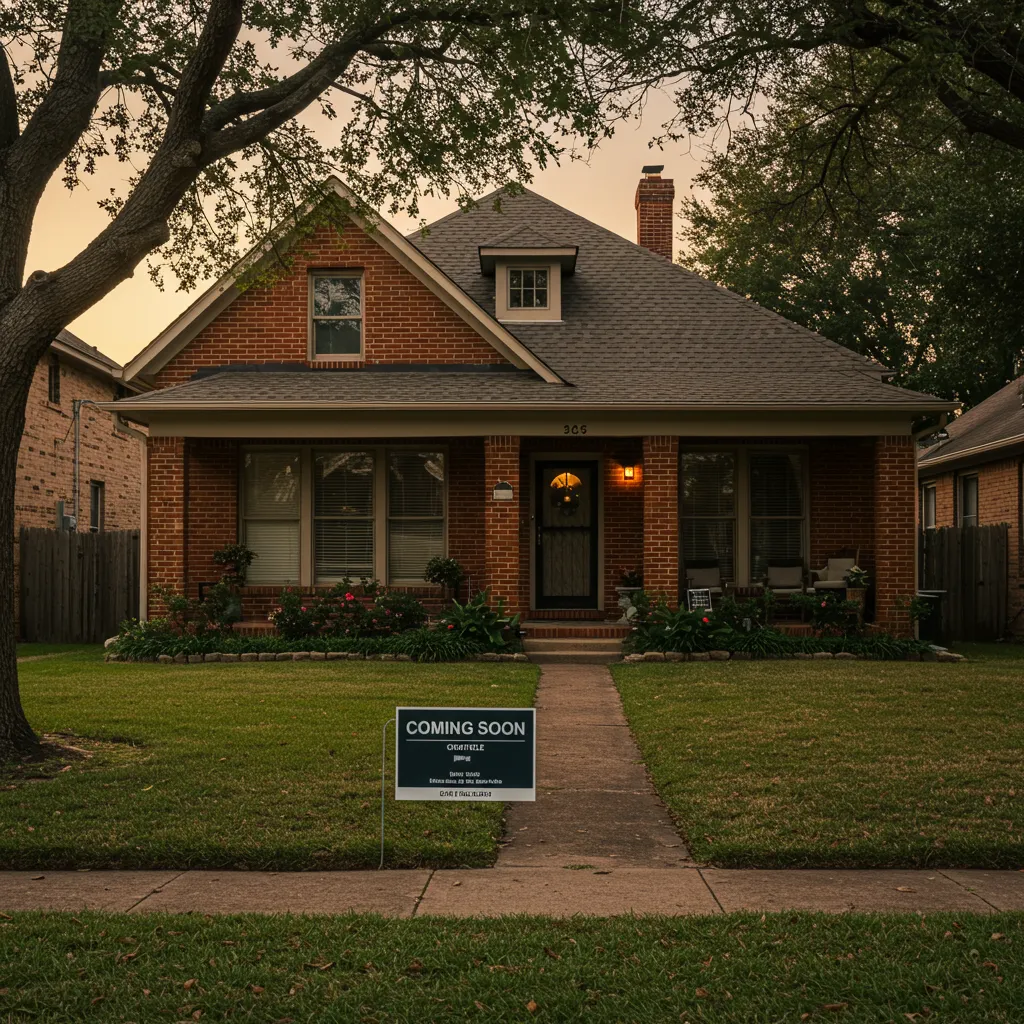
Selling a Fixer-Upper in an A-Rated DFW School District (2026) | Refind Realty DFW
The 5-Step Strategy for Selling a "Fixer-Upper" in an A-Rated DFW School District

Direct Answer
The most effective strategy for selling a fixer-upper in an A-rated DFW district in 2026 is to market the "Access," not the "As-Is". First, obtain a Pre-Listing Structural Inspection to remove the "fear factor" of major hidden costs like foundation or roof issues common in North Texas. Second, price the home at 15% to 20% below the renovated comparable sales to attract both investors and "sweat-equity" families using FHA 203(k) renovation loans. In a 2026 market where sellers are netting 95% of asking price, lead your marketing with the specific school campus names (e.g., "Walk to Old Shepard Place Elementary") to trigger emotional buy-in from parents who view the home as a long-term investment in their children's future.
Book your Home Goals consultation to receive our 2026 "School District Equity Map" and see how your project home compares to the nearest turnkey neighbors:https://stevenjthomas.com/home-goals
Step 1: The 'Transparency Packet' (Pre-emptive Defense)
In 2026, buyers are more cautious than ever. If you hide the flaws, they will assume the worst and walk during the Option Period.
The Inspection Shield: Pay $500–$700 for a structural and plumbing inspection before listing. Having these on the kitchen counter proves you aren't hiding a "money pit" and allows buyers to budget their repairs accurately.
Transferable Warranties: If the foundation was ever repaired, have that transferable lifetime warranty ready. In North Texas clay soil, this is a non-negotiable trust-builder.
The 'Fixes' List: Clearly list what does work—like a 2-year-old HVAC or a recently serviced pool—to offset the visual "to-do" list.
Step 2: Pricing for the 'Sweat-Equity' Premium
In 2026, you must appeal to two distinct buyer pools: the Investor (who wants a 20% profit margin) and the Family (who just wants into the school district).
The ARV (After-Repair Value) Math: Determine what your home would sell for if it were perfect. Subtract the estimated repair costs and an additional 10% "hassle discount" to find your sweet spot.
The 'Price Filter' Strategy: In DFW, many buyers set their search filters at $350k, $400k, or $500k. If your fixer-upper is at $405k, you're missing thousands of buyers. Pricing at $399,000 can trigger a bidding war among families desperate for the zip code.
Step 3: Marketing the 'Campus Lifestyle'
A 2026 buyer in a top-tier district isn't looking at the carpet; they are looking at the GreatSchools rating.
Lead with the School: Your first sentence shouldn't be "3 bed, 2 bath." It should be:"Your Gateway to [District Name] ISD – Rare Opportunity to Customize Your Dream Home".
Highlight 'Non-Fixable' Assets: You can't fix a bad location, but you can fix a kitchen. Emphasize the large lot, the quiet cul-de-sac, or the 5-minute walk to the elementary school.
Virtual Renovation: Use AI-staging to show one photo of the current room next to one "digitally renovated" version. In 2026, buyers need the visual "roadmap" to see the potential.
Step 4: Financing-Ready Disclosures
Fixer-uppers often struggle with standard financing. In 2026, you must show buyers how they can afford both the home and the work.
The 203(k) Call-Out: Include a note in your listing: "Eligible for FHA 203(k) or Fannie Mae HomeStyle renovation loans". This tells families they can roll the repair costs into their monthly mortgage.
The 'As-Is' Clause: Use the TREC "As-Is" provision in the contract. While you are still legally required to disclose all known defects, this protects you from making minor cosmetic repairs during the closing process.
Step 5: The 'Weekend Blitz' Showing Strategy
Consolidating interest creates the "fear of loss" that fixer-uppers need to fetch top dollar.
Limited Window: Launch on a Thursday and only allow showings through Sunday.
The 'Investor vs. End-User' Dynamic: When a family sees a contractor with a clipboard at the open house, it creates urgency. They realize that if they don't offer now, an investor will flip the house and they’ll be priced out of the neighborhood forever.
Conclusion
In the 2026 DFW market, a fixer-upper in a premier school district is a high-yield asset if marketed with transparency and a focus on location. By leading with the school district's value and providing a clear "repair roadmap," you empower the next family to build their future while you maximize your equity. In North Texas, the "worst house on the best block" is still the smartest investment.
Key Takeaways
The 'Entry' Hook: Fixer-uppers are the only "entry-level" options in A-rated DFW districts.
Transparency: Pre-listing inspections prevent Option Period terminations.
Math Matters: Price at 15–20% below renovated comps to attract all buyer types.
Financing: Mention renovation loans (203k) to help families see the "path to completion".


