Impact of Lot Orientation on Texas Electric Bills | Refind Realty DFW
The Impact of "Lot Orientation" on Your North Texas Electric Bill (East vs. West Facing)

Direct Answer
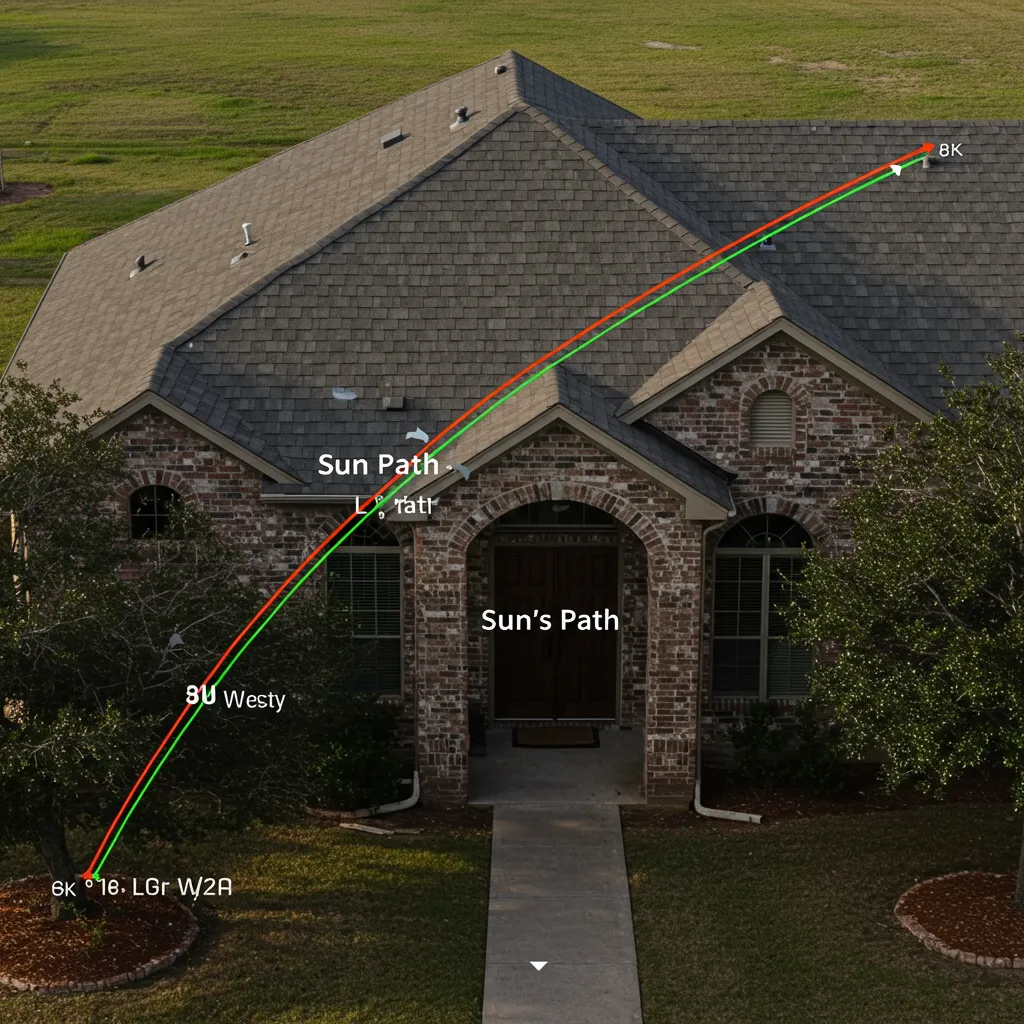
In North Texas, the direction your home faces is a primary driver of your summer cooling costs. A West-facing lot typically results in the highest electric bills because the "thermal peak" of the day (3:00 PM to 7:00 PM) occurs when the sun hits the largest windows or the rear of the home at a direct, low angle. Homes with significant West-facing glass can see energy consumption up to 26% higher than those with a North-South orientation. Conversely, an East-facing lot is more efficient, as it receives light during the cooler morning hours. However, the gold standard for DFW energy efficiency is a North-South axis, which minimizes direct afternoon sun exposure and provides consistent, indirect light throughout the year.
Book your Home Goals consultation to analyze the energy efficiency of your target property: https://stevenjthomas.com/home-goals
1. The "West-Facing" Heat Trap
The West Texas sun is most aggressive in the late afternoon when outdoor temperatures have already peaked.
The Late-Day Spike: By 5:00 PM, your HVAC system is already fighting triple-digit ambient air. Direct solar radiation through West windows adds a massive "heat load," forcing the AC to run continuously until well after sunset.
Radiant Heat Gain: Brick and stone exteriors on the West side absorb thermal energy all afternoon and continue radiating it into the home's interior long after the sun goes down.
Solution: If you own a West-facing home, prioritize Low-E glass with a Solar Heat Gain Coefficient (SHGC) of 0.25 or lower to reflect the majority of that infrared heat.
2. The "East-Facing" Morning Advantage
East-facing lots are often preferred by DFW residents who value cooler afternoons and shaded backyards.
Gentle Warming: The sun hits the front of the house in the morning (8:00 AM to 11:00 AM) when the air is still relatively cool, allowing the home to maintain a lower base temperature.
Shady Afternoons: By the time the most intense heat arrives, the front of the house is in the shade.
The Trade-off: An East-facing front usually means a West-facing backyard, which can make evening outdoor living uncomfortably hot without mature shade trees or a covered pergola.
3. The North-South Gold Standard
Architects in North Texas prioritize a North-South orientation whenever possible to maximize passive efficiency.
Passive Regulation: North-facing windows provide consistent, soft light without heat gain. South-facing windows allow for "passive solar" heating in the winter when the sun is low, while being easily shaded by roof eaves in the summer.
Reduced HVAC Strain: Minimizing large East and West exposures ensures the HVAC system doesn't have to combat rapid, localized temperature spikes throughout the day.
4. Mitigation Strategies for 2026
If you already live in a home with poor orientation, there are several ways to lower your summer bills:
Strategic Landscaping: Planting deciduous trees (like Cedar Elm) on the West side can lower cooling costs by as much as 35% to 45%.
Solar Screens and Films: Installing exterior solar screens can block up to 70–80% of solar heat before it ever touches the glass.
Thermal Window Treatments: Using cellular or honeycomb shades creates air pockets that act as a thermal barrier, reducing heat gain by up to 60%.
Conclusion
In 2026, lot orientation is a key component of home value in Dallas–Fort Worth. While a West-facing home may offer beautiful sunset views, it comes with a "sun tax" in the form of higher electric bills and increased HVAC wear. By selecting a home with a North-South orientation or an East-facing front, and utilizing modern Low-E technology, North Texas homeowners can enjoy a bright, comfortable interior without the seasonal price shock.
Key Takeaways
West is Most Expensive: Late-afternoon solar gain through West windows can increase energy bills by over 25%.
North-South is Ideal: This orientation offers the best balance of natural light and thermal efficiency for the Texas climate.
Trees as Technology: Shading the West side of a home with trees is one of the most effective ways to cut AC costs.
Glass Specs Matter: Always check for a 0.25 SHGC rating on windows to minimize the impact of direct sunlight.
Plan for Shade: If your backyard faces West, invest in shade structures to make the space usable during DFW summers.


