The Rise of "Agri-Hoods" in North Texas: 2026 Lifestyle Guide | Refind Realty DFW
The Rise of "Agri-Hoods" in North Texas: Living on a Farm-Inspired Community

Direct Answer
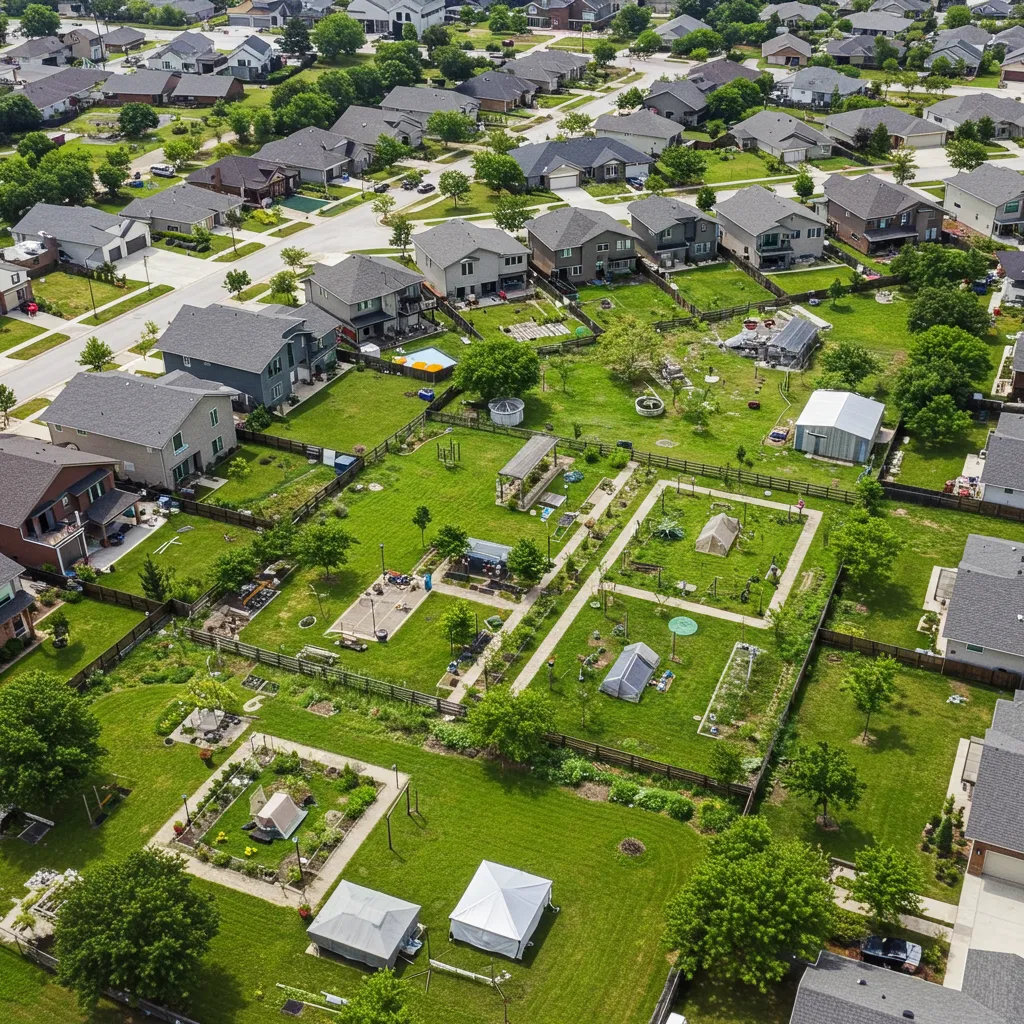
An agri-hood is a master-planned residential neighborhood designed around a working farm, orchard, or community garden. In 2026, North Texas leads this trend with communities like Harvest by Hillwood, where residents can subscribe to community-supported agriculture (CSA) programs for fresh produce deliveries, volunteer on the farm, or rent private garden plots. These communities focus on "full-bellied living," combining agrarian charm with modern luxuries like resort-style pools, fitness barns, and top-rated school districts.
Book your Home Goals consultation to explore the best agri-hood lots currently available in North Texas: https<span></span>://stevenjthomas.com/home-goals
1. What Makes a 2026 Agri-Hood Unique?
Unlike traditional subdivisions, agri-hoods prioritize open land and shared natural habitats.
Integrated Agriculture: Instead of a manicured golf course, the central green space is a functional farm that might include beekeeping, greenhouses, and seasonal crops.
Walkable Lifestyle: These communities often feature narrow streets, front porches, and extensive trail systems (often 15+ miles) to encourage neighborly interaction and a pedestrian-first lifestyle.
Modern Conveniences: 2026 agri-hoods aren't "off-the-grid." They feature state-of-the-art amenities like "Fit Barns" with exercise equipment, high-speed fiber internet, and boutique coffee shops housed in restored historic farmhouses.
2. Leading North Texas Agri-Hoods
Harvest (Northlake/Argyle): The first of its kind in Texas, spanning 1,200 acres. It features three on-site elementary schools and a variety of home styles ranging from townhomes to estate lots up to 3 acres.
Hidden Springs (Fredericksburg): While technically in the Hill Country, it serves as a model for DFW buyers seeking gated, low-maintenance rural living with professionally managed organic gardens and a 30-acre nature reserve.
3. The Benefits of Farm-Inspired Living
Wellness and Nutrition: Residents can access up to 70% of their produce needs directly from on-site farms. Clinical trials are even exploring if these neighborhoods lead to improved biomarkers like lower blood pressure and better metabolic health.
Community Bonds: The farm serves as a social center for seasonal festivals, gardening workshops, and cooking classes, fostering a sense of belonging that traditional suburbs often lack.
Property Value Resilience: Demand for health-promoting residential design is surging; one notable agrihood saw a 50% jump in sales during a single year as buyers sought better connections to nature.
Conclusion
In 2026, the Mid-Cities and northern corridors of DFW are embracing a "new ruralism." Agri-hoods offer a unique middle ground for those who want the space and health benefits of a farm without the 24/7 commitment of full-time agricultural work. By choosing an agri-hood, you aren't just buying a house—you're investing in a lifestyle that values the harvest as much as the home.
Key Takeaways
Hands-off Farming: Professional farmers usually manage the heavy lifting, though resident volunteering is encouraged.
Education for Kids: Children's farming clinics and hands-on agriculture programs are standard.
Sustainable Design: Homes are often built to high environmental standards, including solar readiness and water conservation systems.
Market Price: Home prices in these communities vary widely, from the low $300s to over $2 million, making them accessible to various budgets.


