Negotiating Use and Occupancy in Dallas: 2026 Seller Guide | Refind Realty DFW
How to Negotiate a "Use and Occupancy" Agreement After Selling Your Dallas Home

Direct Answer
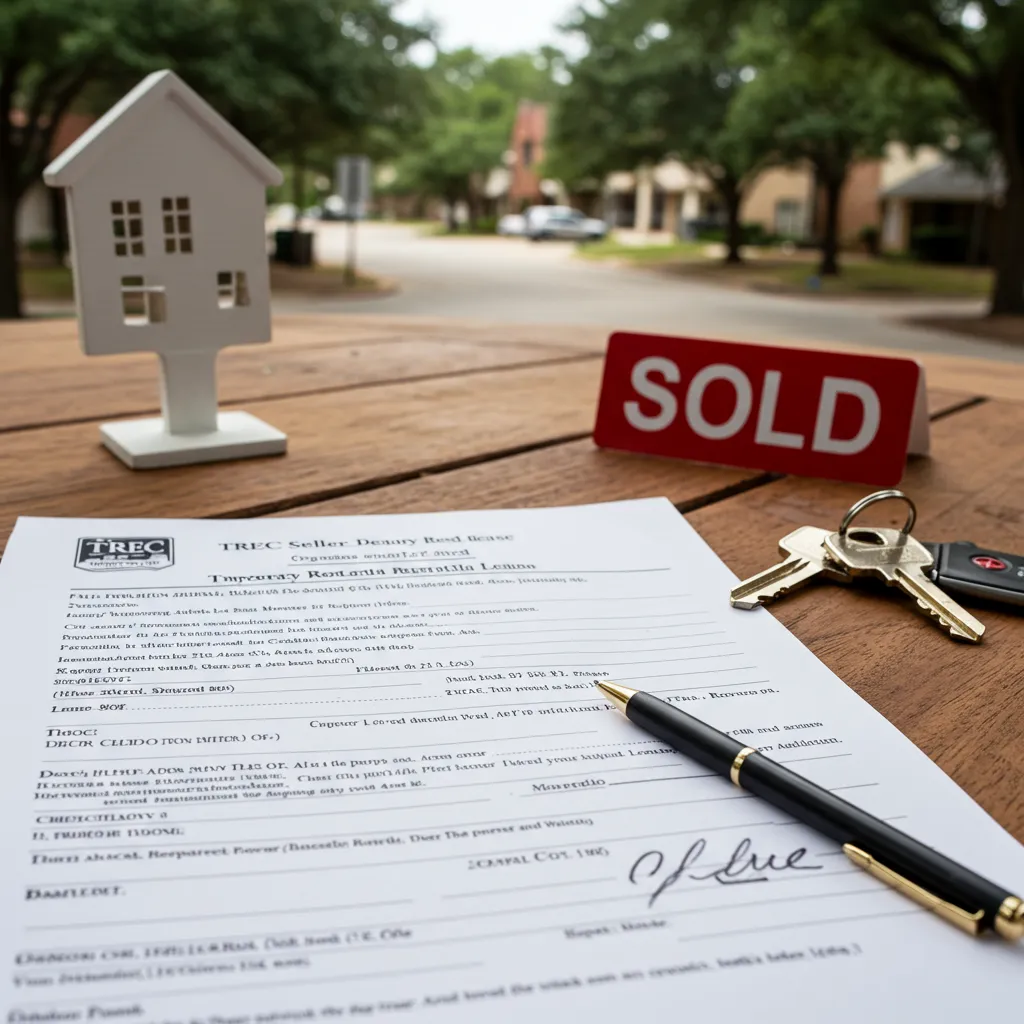
In 2026, the primary strategy for negotiating a Dallas leaseback is to leverage the current "balanced" market to secure a low-cost or "free" occupancy period. While the buyer becomes the legal landlord at closing, you can negotiate a daily occupancy fee that is often lower than the buyer's new mortgage PITI (Principal, Interest, Taxes, and Insurance) if you provide other concessions, such as a price reduction or repair credits. To ensure the agreement is binding, you must use TREC Form 15-7 (Seller's Temporary Residential Lease), which governs stays up to 90 days. Key negotiation points include a refundable security deposit (typically held in escrow) and clear terms on who pays for utilities and yard maintenance during your stay.
Book your Home Goals consultation to structure a "stress-free" leaseback into your 2026 listing strategy: https<span></span>://stevenjthomas.com/home-goals
1. The 2026 TREC Mandate: Form 15-7
The 2026 real estate rules in Texas have clarified that "handwritten" or "unofficial" occupancy letters are no longer sufficient.
Mandatory Use: Since January 2026, TREC Form 15-7 must be used for any residential stay where the seller remains for 90 days or less.
The 90-Day Limit: Stays exceeding 90 days may violate the buyer’s "owner-occupancy" mortgage terms and are governed by standard landlord-tenant law rather than this simplified temporary form.
Flood Disclosures: New for 2026, Senate Bill 2349 has clarified that separate flood notices are not required for these temporary residential leases, simplifying the paperwork process.
2. Three Key Negotiation Pillars
Pillar 1: The Daily Occupancy Fee
Don't just accept the buyer's mortgage payment as the rent.
The Calculation: In the 2026 Dallas market, where median home prices are around $420,000, a fair daily rate is often calculated by dividing the neighborhood's median monthly rent by 30.
Bargaining Chip: In a multi-offer situation, you can negotiate for a $0 per day leaseback for the first 14–30 days as a way to "sweeten" a slightly lower sales price.
Pillar 2: The Escrow Hold-Back (Security Deposit)
Buyers are often nervous about the condition of the home after you leave.
Protective Escrow: Negotiate a security deposit to be held by the title company rather than paid directly to the buyer. This ensures the funds are only released after a final walkthrough shows no new damage.
Maintenance Limits: Clearly define that you are responsible for routine upkeep (mowing, pool skimming, utilities) but that the buyer/landlord remains responsible for major system failures (HVAC, roof, water heater) unless the damage was caused by your negligence.
Pillar 3: The "Holdover" Penalty
The biggest risk for a buyer is a seller who won't leave.
The Penalty: Be prepared for the buyer to demand a "Holdover Fee"—often double or triple the daily rate—for every day you stay past the agreed-upon move-out date.
Clarity: Negotiate a "Termination Date" that aligns with your next home’s closing, but add a 3-day "buffer" to avoid these high penalties if your movers are delayed.
Conclusion
Negotiating a post-closing occupancy in 2026 is about managing the transition from "Owner" to "Tenant" with legal precision. By utilizing the mandatory TREC 15-7 form and focusing on a fair daily rate and protected security deposit, you can use your home's equity to buy the most valuable asset in any move: time.
Key Takeaways
Form is Mandatory: Use TREC 15-7 for all stays under 90 days.
Negotiate the Buffer: Add a few extra days to your move-out date to avoid "Holdover" penalties.
Utilities: Sellers typically continue to pay all utility costs during the leaseback.
Insurance: You must maintain "renter's insurance" (HO-4 policy) for your personal property, as the buyer's insurance only covers the structure.


