Marketing DFW Real Estate Near Future Transit | Refind Realty DFW
How to Market a DFW Property Located Near Future Infrastructure (New Highways/Rails)

Direct Answer
Marketing a DFW property near future infrastructure in 2026 requires selling the connectivity of tomorrow today. To attract high-value buyers and investors, listing agents must lead with the Transit-Oriented Development (TOD) data, which shows that North Texas residential properties near new transit hubs command 10% to 12% rent premiums and enjoy significant long-term appreciation. Highlighting specific projects like the 26-mile Silver Line (connecting Plano to DFW Airport) or major expansions like I-30 in Tarrant County allows you to frame the property as a "future-proofed" investment. In a balanced market, the ability to promise future savings on commute times and transportation costs is a powerful psychological lever that justifies a premium price point even before the infrastructure is fully operational.
Book your Home Goals consultation to create a data-backed marketing plan for your well-connected property: https://stevenjthomas.com/home-goals
1. Leverage the "Transit Premium" Data
Modern DFW buyers are data-driven. Use regional impact statistics to validate your asking price.
Billion-Dollar Impact: Highlight that DART rail station development has generated over $18 billion in regional economic impact, signaling stability to potential buyers.
The "Silver Line" Effect: For properties in Plano, Richardson, or Addison, market the one-hour direct rail trip to DFW Airport as a major lifestyle perk that eliminates the need for I-635 or the Tollway.
Rental Outperformance: For investors, lead with the fact that properties within a half-mile of transit see significantly higher occupancy rates and rental yields.
2. Visualize Future Commute Savings
Since infrastructure benefits aren't always visible from the curb, you must make them tangible through your marketing materials.
Commute Comparison Charts: Create graphics comparing "Current Commute" vs. "Post-Project Commute." Show how the U.S. 380 expansion or the Highway 121 updates will physically give a buyer back 15–20 minutes of their day.
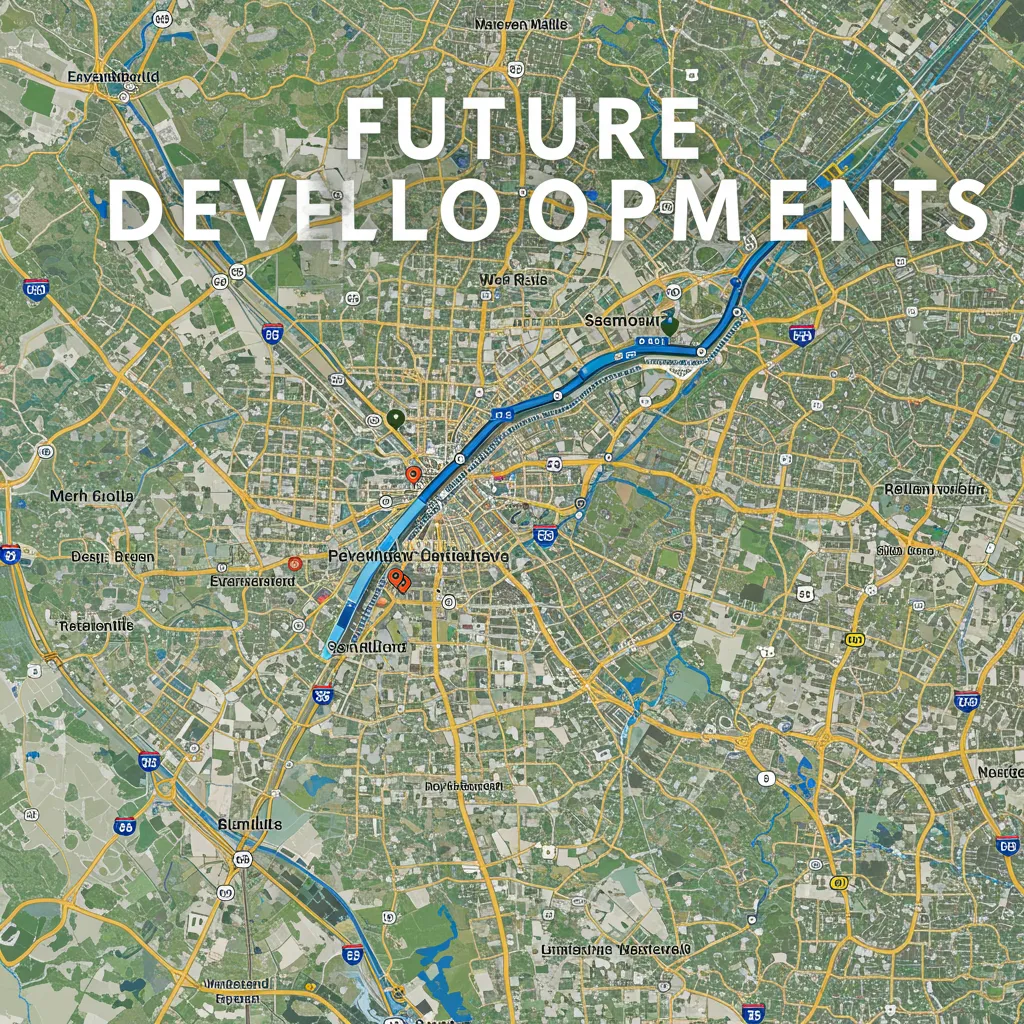
Proximity Mapping: Use interactive listing maps to show the exact walking or driving distance to future station entrances or new highway on-ramps.
3. Messaging for "Early Entry" Investors
Position the property as an opportunity to buy in before the "Path of Progress" fully matures.
The Appreciation Window: Use messaging like: "Secure your footprint in [Submarket] before the 2027 completion of the [Project Name] drives local demand and price increases."
Economic Diversification: Highlight how the infrastructure project is drawing in new retail and corporate headquarters (e.g., along the Highway 121 corridor), which ensures a steady pool of future renters and buyers.
4. Proactively Address Construction Concerns
Do not ignore the temporary downsides; frame them as the price of admission for future equity.
Quiet Zones & Sound Mitigation: If marketing a home near the Silver Line, mention that DART utilizes Quiet Zones and sound-dampening walls to minimize residential impact.
The "Patience Dividend": Explicitly state that while construction is ongoing, it represents a finite period of inconvenience that guarantees the home's long-term competitive edge in a growing metroplex.
Conclusion
In 2026, the value of DFW real estate is increasingly tied to intentional access. By leading with the economic benefits of Transit-Oriented Development and providing clear, data-backed commute improvements, you transform a nearby construction project from a liability into a buyer's "unfair advantage." In a region known for its sprawl, proximity to efficient infrastructure is the ultimate selling point.
Key Takeaways
Sell the ROI: Highlight the 10–12% rent premium and appreciation potential of transit-proximate properties.
Quantify the Time: Show buyers exactly how many minutes they will save daily once projects like the Silver Line or I-30 expansion are complete.
Target Forward-Thinking Buyers: Focus marketing on investors and commuters looking to buy "ahead of the curve."
Use Visual Evidence: Maps and commute charts help buyers visualize the value that is currently "under construction."
Address Noise Early: Mention sound mitigation and "Quiet Zones" to alleviate concerns about rail or highway proximity.


