Marketing EV Charging Readiness in DFW Homes (2026 Guide) | Refind Realty DFW
How to Market Your DFW Home’s "EV Charging Readiness" to Modern Buyers

Direct Answer
In 2026, the most effective way to market EV readiness is to emphasize "Infrastructure Over Hardware". While a physical charger is a great feature, modern DFW buyers are more concerned with the home's electrical capacity—specifically a dedicated 240V/50-amp circuit and a 200-amp electrical panel that can handle continuous charging loads without expensive upgrades. Marketing should highlight "Smart Charging" features, such as app integration for off-peak charging, which can save DFW residents up to $420 per year on electricity. Additionally, for homes in the Oncor or Austin Energy service areas, sellers should advertise any transferable utility rebates (up to $1,000 in some zones) and the Section 30C Federal Tax Credit, which covers 30% of installation costs up to $1,000 if the property is in an eligible census tract.
Book your Home Goals consultation to receive our "EV Value Audit" and see how your home's electrical setup compares to 2026 buyer expectations: https://stevenjthomas.com/home-goals
1. Highlight the 'Level 2' Standard
In 2026, "Level 1" (standard wall outlet) is no longer considered EV-ready for the average DFW commuter.
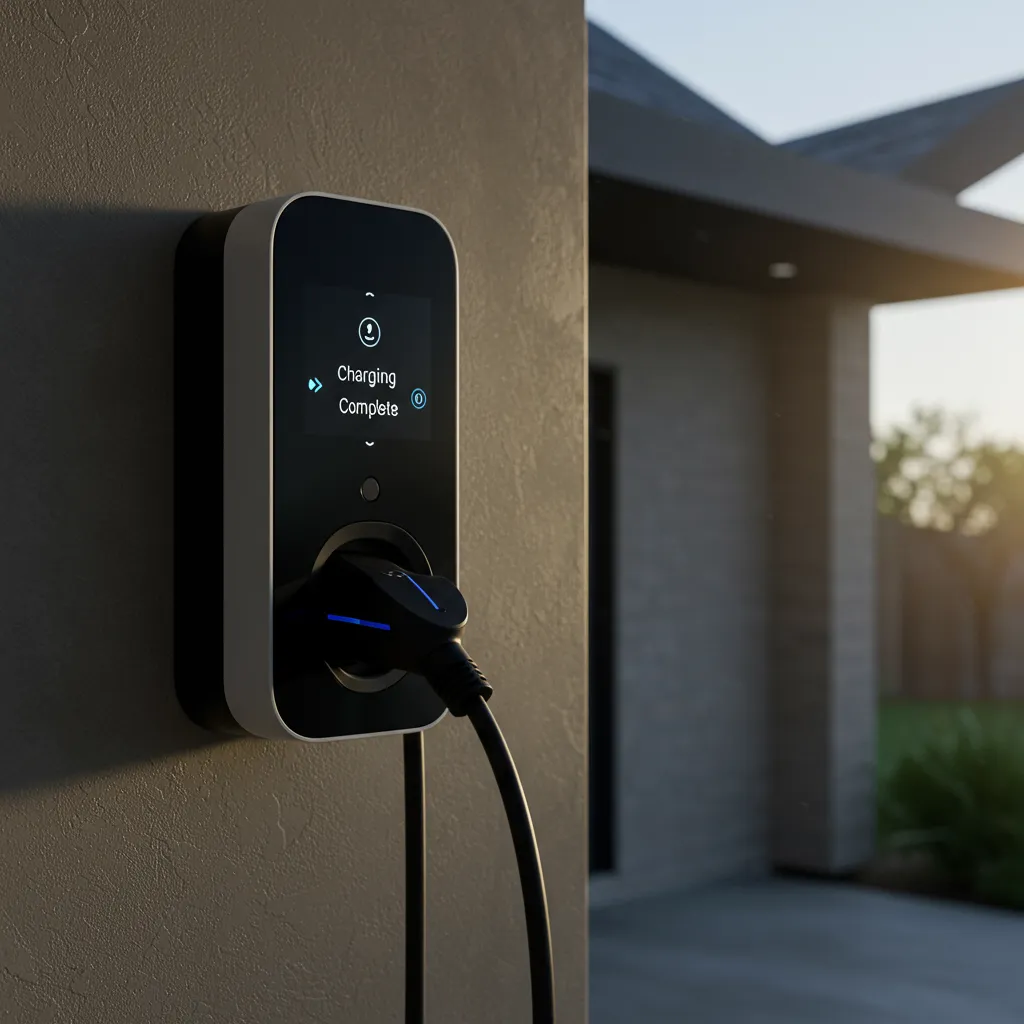
The 240V Advantage: Marketing should explicitly state if the garage has a dedicated NEMA 14-50 outlet or a hardwired Level 2 station. This adds 20 to 45 miles of range per hour, compared to just 3–5 miles on a standard outlet.
Future-Proofing: If you don't have a charger installed, but your panel has been upgraded to 200-amp service with a pre-wired conduit to the garage, market this as "EV-Capable"—a major win for buyers who want to choose their own brand (like Tesla, ChargePoint, or Emporia).
2. Showcase the 'Smart' Energy Ecosystem
Modern 2026 buyers aren't just looking for a plug; they want Energy Intelligence.
App-Controlled Savings: Highlight "Smart Chargers" that allow users to schedule charging during off-peak hours (e.g., 11 PM – 6 AM) when DFW electricity rates can be significantly lower.
Load Management: If your home uses a system like the Emporia Pro, mention its PowerSmart load management. This technology prevents panel overloads by automatically adjusting charging power, a high-value feature for older DFW homes with limited electrical capacity.
V2H Readiness: If your charger supports Bidirectional Charging (Vehicle-to-Home), market this as a "Backup Power Solution"—a massive selling point in North Texas for maintaining essential functions during storm-related blackouts.
3. The Solar + EV 'Power Play'
Texas leads the U.S. in solar production, and in 2026, the Solar + EV bundle is the ultimate marketing hook.
[Image showing a Tesla Powerwall integrated with a solar array and an EV charger in a suburban Dallas home]
Zero-Cost Refueling: If your home has solar panels, market the ability to "Drive on Sunshine". Explain how the solar array offsets the EV's annual 3,000–5,000 kWh consumption, effectively providing free fuel for the life of the system.
Utility Rebates: Mention specific 2026 incentives, such as the Austin Energy $1,200 rebate or the Oncor solar buyback programs, which make the total energy ecosystem more affordable for the new owner.
Conclusion
In 2026, EV charging is no longer a niche hobby; it is a core residential amenity that directly influences property value. By focusing your marketing on electrical capacity, smart features, and long-term cost savings, you position your DFW home as a modern, resilient, and financially savvy choice for the next generation of buyers.
Key Takeaways
Installation Value: A standard Level 2 install in Texas costs $1,300–$2,500, but adds significant market appeal.
Panel Capacity: A 200-amp panel is the "gold standard" for 2026 EV-ready marketing.
Smart Features: App-integrated chargers can save homeowners over $400 annually via off-peak scheduling.
Tax Credits: The 30% Section 30C federal credit (up to $1,000) expires June 30, 2026, creating a "buy-now" urgency for homes with infrastructure already in place.


