Living in a DFW PID: Fees, Amenities & ROI (2026 Guide) | Refind Realty DFW
Living in a "PID" (Public Improvement District): Is the Extra Fee Worth the Amenities?

Direct Answer
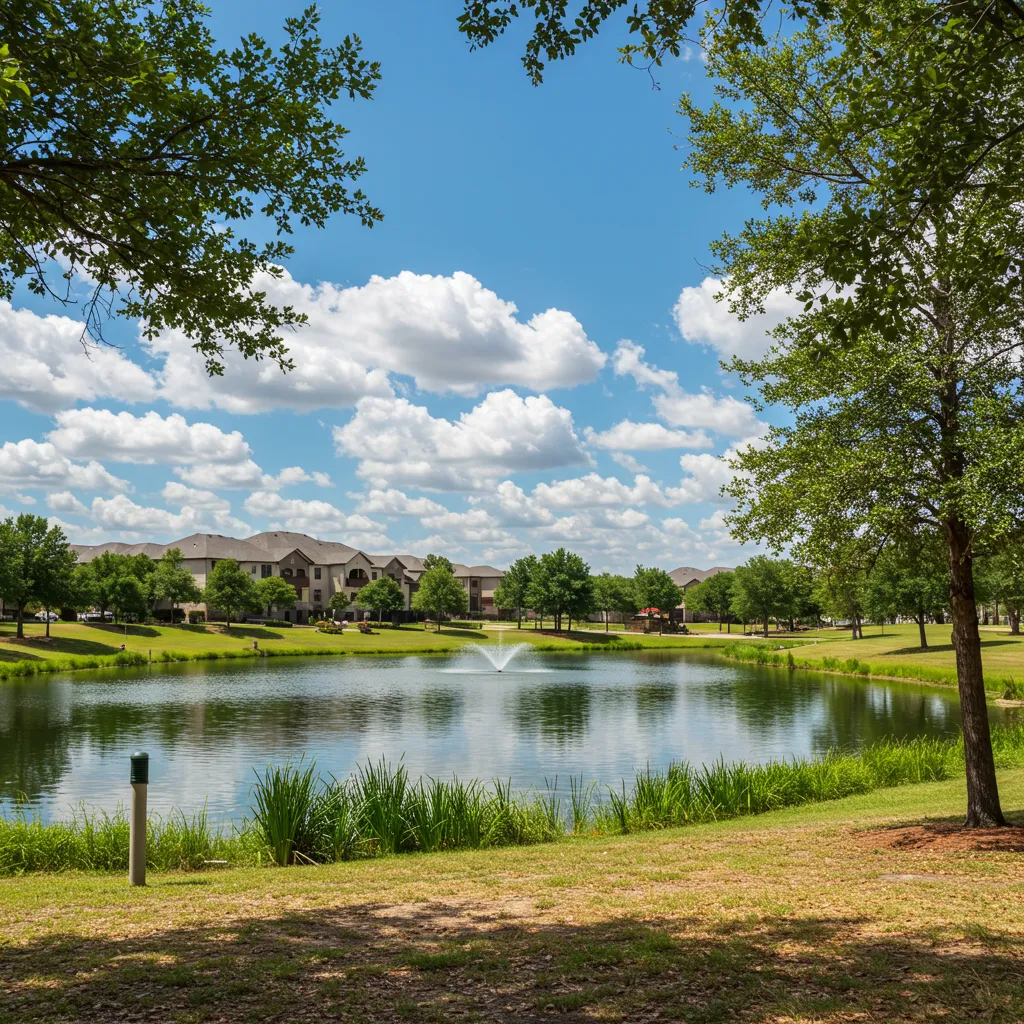
In March 2026, a PID is "worth it" if you prioritize enhanced community standards and high-quality amenities over the lowest possible monthly payment. PID assessments in North Texas typically range from $1,200 to $2,000 per year (roughly $100–$165 per month), appearing as a separate line item on your property tax bill. Unlike a standard tax, a PID assessment is often fixed for a set term (usually 20–40 years) and can be paid off early to reduce your monthly carrying costs. Proponents argue that PID-funded enhancements—like 24/7 security patrols, professional landscaping, and private lagoons—drive higher long-term property values and better curb appeal compared to non-PID neighborhoods. However, for budget-conscious buyers, a PID can add $200–$400 to a monthly payment when combined with HOA dues, making it essential to calculate your "all-in" cost before committing to a new build.
Book your Home Goals consultation to receive a "Total Effective Tax Rate" map for DFW's top PID communities:https://stevenjthomas.com/home-goals
PID vs. MUD: The Financial Breakdown
Understanding the difference between a PID and a Municipal Utility District (MUD) is the most common hurdle for 2026 DFW buyers.
A PID (Public Improvement District): Funds "quality of life" enhancements like parks, trails, lighting, and security. It is a fixed assessment that eventually ends once the bonds are repaid.
A MUD (Municipal Utility District): Funds "essential" infrastructure like water, sewer, and drainage. It functions as a political entity with a tax rate that can fluctuate (and often decreases) as the community grows.
The 'Stack' Effect: In newer 2026 DFW developments like Bridgewater, homeowners may face a "layered" cost structure including regular property taxes, a MUD tax, a PID assessment, and HOA dues.
The 'Amenity Gap': What Your PID Fee Actually Buys
In 2026, the "standard" DFW city budget covers basic road maintenance and emergency services, but a PID allows a community to exceed those limits.
Elevated Security: Some Dallas PIDs, like Prestonwood, use assessments specifically to fund off-duty police patrols, providing a 24/7 onsite presence that standard municipal budgets cannot sustain.
Infrastructure Aesthetics: PIDs fund "entry monuments," decorative street lighting, and professional-grade landscaping that create a cohesive, high-end "resort" feel throughout the neighborhood.
Direct Benefit: Unlike city-wide taxes, PID funds are legally required to remain within the district boundaries, ensuring that your $150 monthly fee directly improves the park you walk in or the sidewalk your children use.
The 2026 Disclosure Rule
Because a PID is a significant financial commitment, Texas law as of 2026 requires strict pre-contract disclosure.
Statutory Notice: Sellers must provide a signed PID notice before the contract is executed. If a seller fails to disclose the PID, the buyer has a statutory right to terminate the contract at any time prior to closing.
Title Company Role: During the 2026 closing process, your title company will pro-rate the PID assessment between the buyer and seller, similar to standard property taxes, ensuring no "surprise" back-payments are owed.
Conclusion
Living in a PID in 2026 is a trade-off between cost and lifestyle. For many North Texas families, the peace of mind of enhanced security and the enjoyment of world-class parks justify the extra line item on their tax bill. However, because these fees can significantly impact your debt-to-income (DTI) ratio, it is vital to ask for the "Total Effective Tax Rate"—inclusive of all PID and MUD assessments—before you fall in love with a DFW model home.
Key Takeaways
Annual Cost: Most DFW PID fees range from $1,200 to $2,000 per year.
Expiration: Unlike MUD taxes, PID assessments are fixed-term and will eventually end.
Amenity Focus: PID funds support landscaping, trails, and enhanced security.
Buyer Protection: Strict disclosure laws in 2026 give buyers the right to terminate if a PID isn't disclosed upfront.


