Deed Fraud in Lancaster, TX: Make Sure You Still Own Your Home on Paper Before You List in 2026
Deed Fraud in Lancaster, TX: Make Sure You Still Own Your Home on Paper Before You List in 2026
By Steven J. Thomas
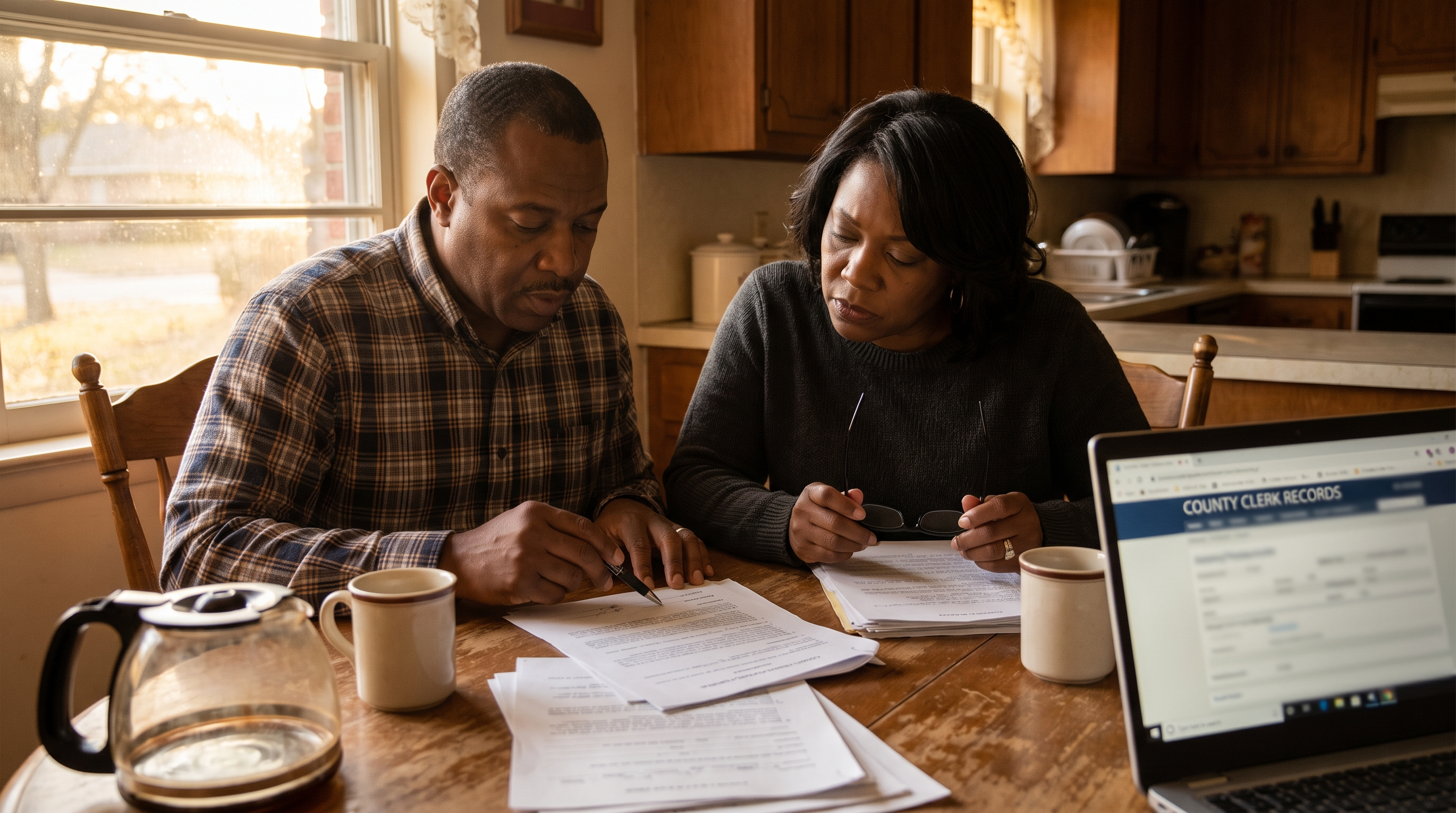
Here is a question almost no Lancaster seller asks before listing: does the county still show you as the owner of your own house? For most people the answer is yes. For a growing number of Dallas County homeowners, the answer is a forged deed sitting in the public record with a stranger's name on it. Deed fraud, sometimes called home title theft, hit Texas hard enough that the Legislature passed two new laws about it in 2025. If you own a home in Lancaster, DeSoto, or anywhere in southwest DFW, the fix takes about ten minutes and costs nothing. Selling a home with a forged deed on record can take months to untangle.
Direct answer
Deed fraud is when a scammer records a forged deed with the county clerk and transfers your home's title without your knowledge. Texas criminalized it under Senate Bill 16 in 2025 and created a faster court process to remove fake deeds under Senate Bill 1750. Lancaster homeowners can register for the Dallas County Property Fraud Alert for free, and every seller should check the deed record before listing. A Home Wealth Report tells you what that title is protecting.
How deed fraud actually works
The scheme is simpler than most people expect. A fraudster pulls your property information from public records, which anyone can do. They forge your signature on a deed, usually a general warranty deed or a quitclaim-style transfer, and pair it with a fake or dishonest notary acknowledgment. Then they file it with the county clerk.
Here is the part that surprises homeowners: the county clerk has no authority to verify signatures. If the document is formatted correctly and the filing fee is paid, it gets recorded. The clerk's office is a filing cabinet, not a fraud unit. Once that forged deed is in the record, the public index shows someone else with a claim on your home. The fraudster then tries to sell the property, take out a loan against it, or in some cases rent it out to unsuspecting tenants.
The targets follow a pattern. Paid-off homes with no mortgage draw the most attention, because no lender is watching the title. Homes owned by older residents, vacant properties, inherited houses sitting in a family member's name, and land without a structure on it round out the list. Southwest Dallas County, including Lancaster, has plenty of homes that fit the first category: owners who bought 10, 20, or 30 years ago and now hold significant equity free and clear. That equity is exactly what a deed thief is after.
What changed in Texas law
Texas lawmakers, including two from Dallas County, pushed through real changes in the 2025 legislative session, and both matter to you as an owner or seller.
Senate Bill 16 made deed fraud a crime with real teeth. Before this law, victims were often told it was a civil matter, which meant hiring a lawyer and suing at their own expense while the fraudster moved on to the next house. Under the new law, forging or filing a fraudulent deed carries criminal penalties, with enhanced punishment when the victim is elderly or disabled, according to coverage by the Dallas Morning News in August 2025.
Senate Bill 1750, which is now active law, created a faster path to clean the record. A property owner can file a verified petition in the district court of the county where the property sits and ask a judge to rule the instrument fraudulent, without running a full civil lawsuit through every procedural step. For a Lancaster homeowner, that means Dallas County district court, and it means weeks instead of what used to be a year or more of litigation in some cases.
Neither law removes a forged deed automatically. You still have to find it, report it, and petition to remove it. That is why prevention and early detection matter more than anything else in this article.
The free protection most Lancaster homeowners have never heard of
Dallas County offers a free Property Fraud Alert service through the county clerk's office. You register your name, and any time a real property document is recorded in Dallas County under that name, you get an email alert. If the filing is yours, you delete the email. If it is not, you know within days instead of finding out at a closing table years later.
Registration takes about ten minutes at the Dallas County Clerk's recording division website. Register every version of your name that appears on your deed, and if you own the home with a spouse, register both names. If you own property through a family trust or an LLC, register the entity name too.
Neighbors outside Dallas County have similar options. Ellis County, which covers Waxahachie and Red Oak addresses south of the county line, runs its own fraud alert program. If you own property in more than one county, register in each one, because recordings only trigger alerts in the county where they are filed.
While you are at it, pull up your actual deed record on the Dallas County public search site and look at the chain of title. You are checking for two things: that the most recent deed on file is the one you signed when you bought or refinanced, and that nothing has been recorded since that you do not recognize. If your last refinance was in 2021 and there is a deed from 2024 you have never seen, stop and make some calls.
Why this matters double when you sell
A forged deed is void under Texas law. It transfers nothing, no matter how official it looks. But void on paper and clean in practice are two different things, and the difference shows up when you list.
When you go under contract, the title company runs a title search and issues a commitment. Any deed in the chain that does not match the expected ownership becomes a problem the title company will not insure around. Your buyer's lender will not fund against a clouded title. So the sale stops while you prove the fraudulent document is exactly that, and even with the faster SB 1750 petition process, you are looking at court filings, a hearing, and a judge's order before the title company moves forward.
Now put that against the current market. Dallas-Fort Worth is a balanced-to-soft market in 2026. Homes in the metro averaged 62 days on market as of June, with about 5.4 months of inventory, according to the Texas Real Estate Research Center's August 2026 Housing Insight. Buyers have options. A buyer who has been waiting weeks while your title issue works through district court has very little reason to keep waiting when three comparable homes down the road have clean titles and motivated sellers. Title delays in this market do not just postpone closings. They lose buyers.
The math is straightforward. Ten minutes of checking before you list versus a contract that dies in week six. Every seller consultation I run in Lancaster now includes a look at the deed record, the same way it includes a look at the pre-listing checklist items that keep a sale on schedule.
What to do if you find a document you did not sign
If you spot a recording you do not recognize, work the list in order.
- Get a certified copy of the suspicious document from the Dallas County Clerk. You will need it for everything that follows.
- Report it to law enforcement. Under SB 16 this is a crime, so file a report with your local police department and the Dallas County District Attorney's office. A criminal case number strengthens every later step.
- Notify your title insurance company if you have an owner's policy from when you bought. Fraud affecting your title may be a covered claim, and the insurer's lawyers have handled this before.
- File the verified petition under the SB 1750 process in Dallas County district court to have the instrument declared fraudulent and removed from your chain of title. A real estate attorney can prepare it, and this route was built to be faster and cheaper than a full quiet-title suit.
- Register for the fraud alert immediately if you had not already, so a second attempt does not slip past you.
One thing you do not need to do is pay a monthly fee to a title lock company. Those services monitor the same public record you can monitor for free through the county, and they cannot stop a filing or remove one. The county alert plus an owner's title policy covers the same ground without the subscription.
Your equity is the target, so know what it is
Deed thieves do not steal houses for fun. They steal the equity inside them. A Lancaster homeowner who bought in 2014 and paid the mortgage down for twelve years is often sitting on several hundred thousand dollars of value that nobody is actively watching, and that is the profile fraud rings look for.
Knowing your number is part of protecting it. My Home Wealth Report lays out what your home is worth based on current conditions, what you owe, and what your equity position looks like if you stay, sell, or put it toward a new build. I am a broker and a loan officer, so the report covers both sides of the ledger, the value and the financing, in one place. It is free, and it pairs well with the ten-minute deed check as a once-a-year financial habit.
If the bigger plan is selling your Lancaster home and moving into new construction in Red Oak, Midlothian, or Waxahachie, the title check belongs at the front of that plan, not the week before closing. You can browse what is on the market across southwest DFW anytime on the Lone Star Living App.
Conclusion
Deed fraud is a low-effort crime aimed at high-equity homeowners, and southwest Dallas County has plenty of both. Texas gave owners real tools in 2025: criminal penalties under SB 16, a faster removal process under SB 1750, and a free county alert system that tells you the moment your name shows up on a recording. Use them before you need them. Check your deed record, register for the Dallas County Property Fraud Alert, and confirm your owner's title policy is in the file drawer where you think it is. If selling is anywhere in your next few years, do it this month, because a clean title is the quietest asset a listing can have. Want to talk through your equity and your next move? Book an appointment and we will look at the full picture together.
You're Always Home with Steven J. Thomas.
Key takeaways
- Deed fraud means a forged deed recorded against your home without your knowledge, and county clerks cannot verify signatures before recording.
- Texas SB 16 (2025) made deed fraud a crime with enhanced penalties for elderly and disabled victims, and SB 1750 created a faster district court petition to remove fraudulent instruments.
- Lancaster homeowners can register for the Dallas County Property Fraud Alert for free and get an email whenever their name appears on a recorded document.
- A forged deed in your chain of title can stall a home sale for weeks or months, which costs real money in a DFW market averaging 62 days on market as of June 2026.
- Skip the paid title lock subscriptions. The free county alert plus your owner's title insurance policy covers the same ground.
FAQ: Deed fraud and selling in Lancaster, TX
When should I check my deed record if I plan to sell?
Check it before you list, ideally the same week you start prepping the house. Finding a problem early gives you time to run the SB 1750 court process before a buyer is waiting on it.
Does deed fraud affect my equity or my mortgage balance?
A forged deed is void in Texas, so it does not legally take your equity or change what you owe. It clouds the record, which blocks you from selling or borrowing against the home until a court clears it.
What happens if a forged deed turns up during my sale?
The title company will flag it on the title commitment and pause the closing. You would file a verified petition in Dallas County district court under the SB 1750 process, get an order declaring the instrument fraudulent, and then the sale can move forward.
Is deed fraud actually happening in southwest Dallas County?
Yes. Dallas County officials have called property fraud a widespread issue, the county runs a dedicated fraud alert program because of it, and Dallas County lawmakers led the 2025 push to criminalize it statewide.
How long does it take to remove a fraudulent deed?
The SB 1750 petition process was built to move faster than a traditional lawsuit, and straightforward cases can resolve in weeks rather than a year of litigation. Timelines vary with the court's docket and the facts of the case.
Where can I see homes for sale while I sort out my plans?
Browse every active listing across Lancaster and southwest DFW on the Lone Star Living App. It pulls live MLS data, so what you see is what is actually available.
Steven J. Thomas · Broker, Refind Realty DFW · TREC Broker License #0657467 · Loan Officer, Envision Home Lenders · NMLS #689220
972-846-9170 · [email protected] · 128 S. Cockrell Hill Rd, DeSoto, TX 75115
Equal Housing Opportunity


