Why Dallas Luxury Real Estate is Decoupling in 2026 | Refind Realty DFW
Why "Luxury Real Estate" in Dallas is Decoupling from the Standard Market Trends

Direct Answer
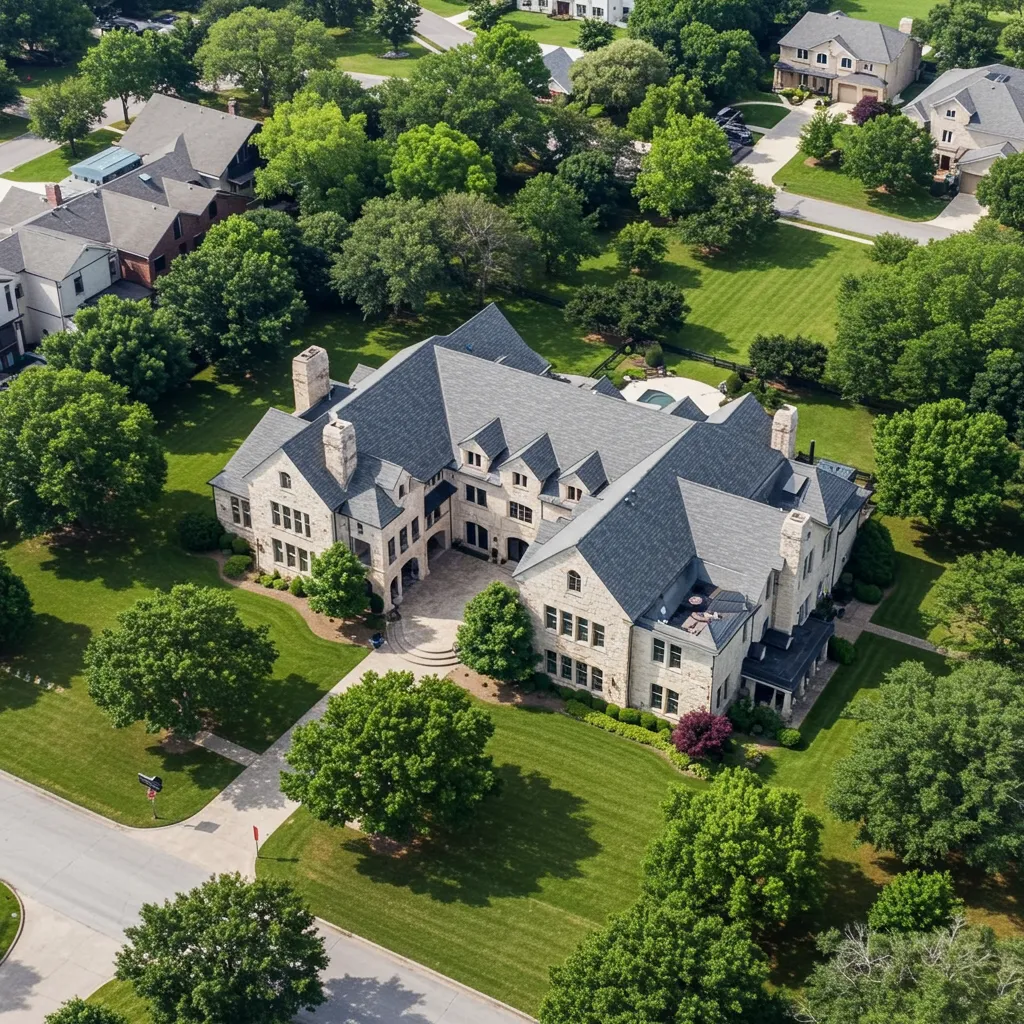
In March 2026, the Dallas luxury market is operating independently from the standard housing sector due to low inventory in "blue-chip" neighborhoods and a continuous influx of all-cash relocation buyers. While the broader Dallas market is adjusting to a "buyer's market" with 61–71 days on market, luxury properties in elite areas like Highland Park and Preston Hollow are seeing average days on market as low as 24 days with a 92% list-to-sale ratio. Neighborhood-level data highlights this split: Preston Hollow has seen an 18% year-over-year price increase, pushing average values to $2.8 million, while Highland Park has jumped 22% to a $3.2 million median. This "decoupling" is fueled by ultra-high-net-worth individuals who are no longer chasing speculative upside but are instead choosing Dallas for its tax advantages, corporate stability, and "lifestyle-as-a-platform" environments that offer privacy and security.
Book your Home Goals consultation to see the 2026 "Luxury Velocity Map" and identify which elite Dallas zip codes are currently outperforming the national average: https://stevenjthomas.com/home-goals
The 'Inventory Squeeze' in Blue-Chip Neighborhoods
The decoupling is primarily a result of a historic shortage of quality luxury inventory in Dallas’s most established neighborhoods.
Microscopic Supply: In the "Eternal Blue-Chip" markets of Highland Park and University Park, inventory is described as "microscopic". New or updated homes in these areas often sell instantly, regardless of the broader economic headlines.
Ultra-Luxury Resilience: While aspirational luxury buyers ($1M–$5M) have shown some caution due to carrying costs, the ultra-high-net-worth segment ($30M+) remains aggressive in securing second and third homes in gated enclaves like Westlake’s Vaquero.
Supply as a Feature: In 2026, limited supply has become a primary price driver. In historic or land-locked districts, it is physically difficult to build at scale, ensuring that existing homes command a significant premium as "real money" continues to enter the market.
Relocation Buyers: The All-Cash Engine
Corporate relocations from high-tax states like California and New York have created a constant stream of all-cash buyers who are immune to fluctuating mortgage rates.
Executive Demand: Major headquarters moves to North Texas have transformed the region into a national powerhouse for luxury real estate. High-income executives are drawn to the lack of state income tax, which effectively subsidizes their higher property tax bills and allows for larger luxury acquisitions.
Selectivity and Intention: The "Cheap Money Era" of speculative buying has been replaced by the "Intention Era". 2026 luxury buyers are more selective, focusing on "living architecture" that harmonizes wellness, security, and cutting-edge technology.
Negotiating Power: Despite the decoupling, the luxury market is more balanced than the pandemic years, with an average sale-to-list ratio of 97.9% to 98.2%, allowing savvy buyers room for detail-oriented negotiations.
New Luxury Hubs: Rockwall and Frisco
While the "Old Money" estates of Preston Hollow remain dominant, 2026 is seeing the rise of "New Money" luxury hubs that offer more land and lifestyle for the dollar.
Rockwall County Velocity: Rockwall has emerged as the #1 growth spot for luxury velocity in 2026. Buyers are flocking to Lake Ray Hubbard for waterfront estates and contemporary masterpieces on 5+ acre lots that offer a private "resort" feel.
The Frisco-Prosper Explosion: The northern corridor continues to explode with $2M–$6M gated estates. Driven by PGA Frisco and the "Fields" development, this area has become a benchmark for modern luxury and exclusivity, settling into a sustainable growth trajectory of 1.5% to 3% annual appreciation.
Conclusion
In 2026, the Dallas luxury real estate market is no longer tethered to the "average" homebuyer’s reality. By decoupling from standard trends, it has become a resilient, global asset class defined by scarcity, all-cash liquidity, and a high-income buyer pool that values security over speculation. For those in the luxury lane, 2026 is not a year of cooling, but a year of strategic recalibration and long-term wealth positioning.
Key Takeaways
Price Divergence: Luxury homes in Dallas saw 3.5% to 22% gains, while the broader market corrected by 4.1%.
Cash is King: A massive wave of corporate relocations is bringing all-cash executive buyers to DFW, insulating the top tier from rate hikes.
Scarcity Value: Inventory in "Blue-Chip" neighborhoods remains at historic lows, creating a permanent seller's market for updated homes.
Lifestyle Priority: 2026 buyers prioritize privacy, wellness, and climate-resilient architecture over simple square footage.


