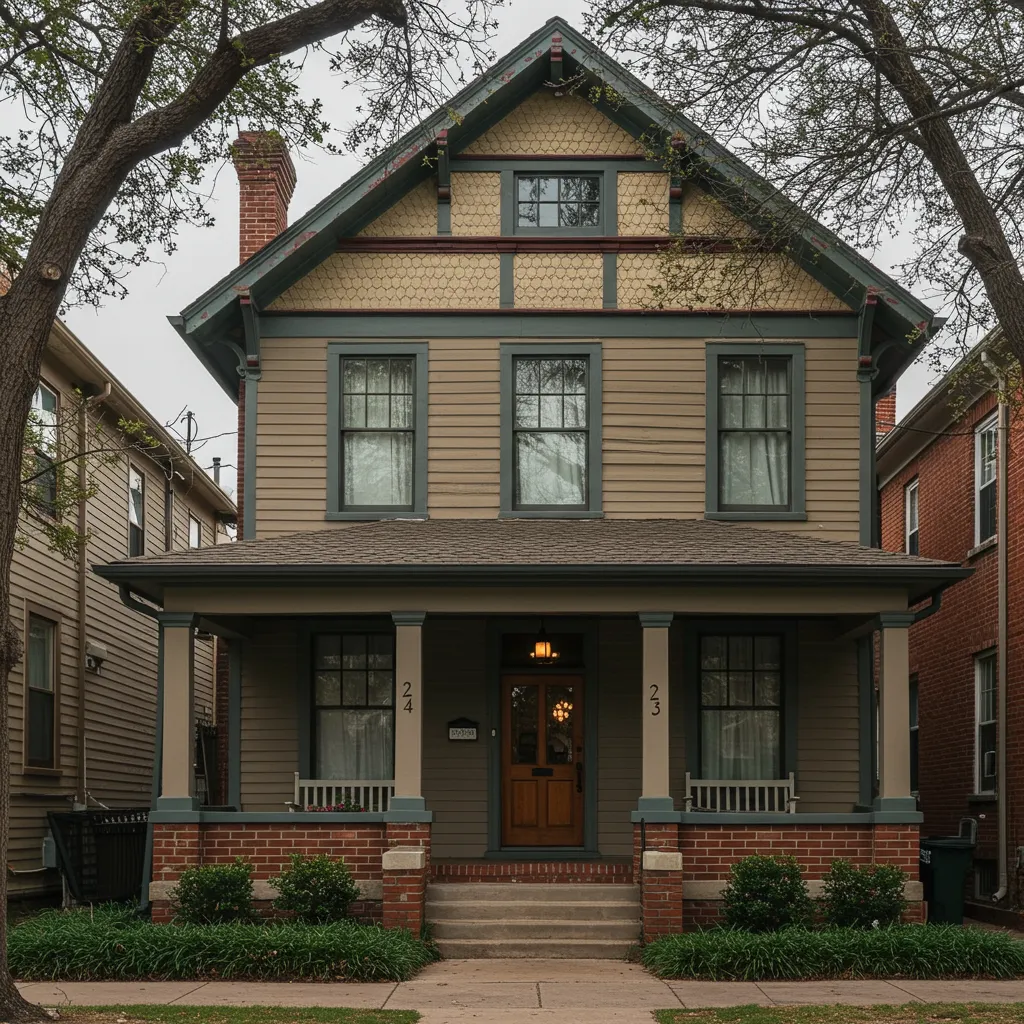
Living in a Dallas Historic Overlay: Renovation Rules (2026) | Refind Realty DFW
Living in a "Historic Overlay" District in Dallas: What You Can and Can’t Renovate

Direct Answer
In 2026, you generally can renovate any interior space—including kitchens and bathrooms—without historic oversight, provided you don't alter exterior windows or doors. You cannot change any exterior feature, including paint color, roof material, fences over 6 inches tall, or window designs, without obtaining a Certificate of Appropriateness (CA) through the DallasNow portal. Minor "Routine Maintenance" (like-for-like repairs using the same materials and colors) can often be approved by city staff in 7 to 21 days, but major changes must go before a neighborhood task force and the Landmark Commission, a process that typically takes 30 to 60 days.
Book your Home Goals consultation to see if a specific property's "Historic Criteria" fits your renovation vision: https<span></span>://stevenjthomas.com/home-goals
1. What You CAN Renovate (The "Freedom Zone")
The Landmark Commission’s jurisdiction ends at your front door.
Interior Remodeling: You can completely modernize your floor plan, gut your kitchen, or add a contemporary master suite. While it is recommended to protect original millwork and fireplaces to maintain resale value, the city does not legally require interior preservation.
Routine Maintenance: If you are repairing a porch step or replacing a few shingles with the exact same material and color, this is often "fee-exempt" and staff-approved.
Backyard Features (Limited): If a feature is completely screened from public view (such as a low-profile deck or small garden bed), it is easier to approve, though large structures like ADUs or carports still require a CA.
2. What You CAN’T Renovate (Without a CA)
If it affects the "architectural integrity" of the home's era, it will be strictly regulated.
Windows: This is the #1 point of contention in 2026. You generally cannot replace historic wood windows with vinyl. The city requires you to repair original windows when possible or replace them with wood units that match the original muntin patterns and profiles.
Paint and Siding: You cannot change your house's color palette to a non-historic shade. Siding must match the original "exposure" (width) and material—meaning no vinyl or modern fiber-cement unless it perfectly mimics the historic wood.
Landscaping and Hardscape: Fences, retaining walls, and even large trees often fall under review. In 2026, many districts forbid "privacy fences" in front yards, restricting them to 4-foot open designs (like wrought iron or picket) to maintain the neighborhood's open feel.
3. The "DallasNow" Process: Steps to Compliance
Talk to a Planner Early: Before hiring a contractor, meet with a city preservation planner to see if your vision is even possible for your specific district.
The CA Application: Submit photos of all elevations, a site plan, and samples of every material (paint chips, shingle samples, etc.) via the DallasNow digital portal.
Task Force Review: A group of neighbors and architects will review your project and make a recommendation to the Commission.
Landmark Commission Hearing: For major work, you will present your case at a public hearing (usually the first Monday of the month).
Conclusion
Owning a home in a Dallas Historic Overlay is a commitment to stewardship. While the rules prevent you from modernizing the facade, they also protect your investment by ensuring your neighbor can’t build a contemporary "cube" house next to your 1920s Tudor. In 2026, these districts remain some of the most stable and high-value pockets in the city precisely because of these strict standards.
Key Takeaways
Exterior = Public: Almost everything outside requires a CA, including paint and fences.
Interior = Private: You have full control over your internal layout and finishes.
Windows are Vital: Always repair rather than replace to avoid the most common permit denials.
Don't Skip the CA: Working without approval can result in daily fines and a legal requirement to tear down the unapproved work.


