Commercial Vacancy to Residential Reality: The 2026 DFW Shift | Refind Realty DFW
How "Commercial Real Estate" Vacancy is Creating Residential "Mixed-Use" Opportunities

Direct Answer
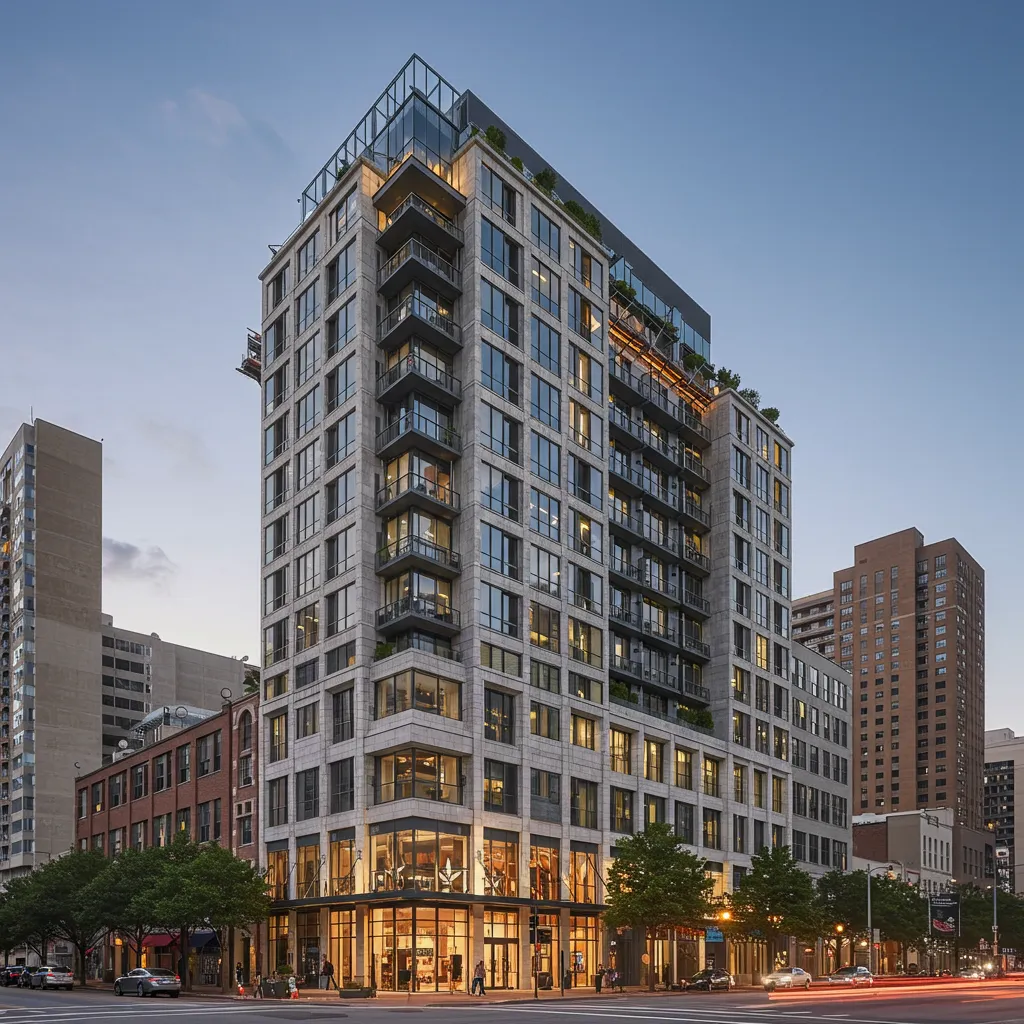
In March 2026, DFW leads the nation in office-to-residential conversions under construction, with over 860 units currently in the pipeline. This "Conversion Wave" is driven by a record office vacancy rate exceeding 20% and a persistent housing shortage that makes adaptive reuse a more viable option than greenfield sprawl. The current model for success is the "Integrated Ecosystem"—exemplified by the Santander Tower project, which has successfully integrated luxury residences (Peridot Residences) alongside traditional office space and a boutique hotel, achieving occupancy rates in the 90% range. To make these $400M+ projects "pencil out" in 2026, developers are leaning heavily on Tax Increment Financing (TIF), such as the $103 million approved for the Bank of America Tower redevelopment, which will reduce office square footage to make room for hotel and retail components.
Book your Home Goals consultation to see the 2026 "Conversion Map" of upcoming residential opportunities in Dallas's most iconic towers:https://stevenjthomas.com/home-goals
The Anatomy of a 2026 Conversion
Not every vacant office building is a candidate for a residential second act; in 2026, the "bones" of the building dictate its destiny.
The Floorplate Factor: Buildings with smaller, central-core floorplates are the "gold standard" because they allow natural light to reach every apartment unit without the need for expensive light-well drilling.
Mechanical Metamorphosis: The biggest hurdle in 2026 remains the MEP (Mechanical, Electrical, and Plumbing) systems. Converting a floor designed for one corporate tenant into a floor for 20 individual apartments requires a total overhaul of HVAC and electrical capacity, which can account for the bulk of construction costs.
The 'Boutique' Trend: Older buildings from the 1920s and 60s are often more attractive targets than modern glass boxes because they possess unique architectural character and underutilized mechanical spaces that can be repurposed into gyms, dog runs, or library lounges.
Financial Catalysts: TIFs and Tax Credits
In 2026, the "gap" between a vacant office building and a vibrant residential hub is almost always bridged by public-private partnerships.
TIF Funding: The Downtown Connection TIF District is currently the primary engine for Dallas skyscraper redevelopments, providing nine-figure grants to support infrastructure upgrades, parking garages, and street-level retail.
Historic Tax Credits (HTC): For buildings with historical significance, the HTC program provides an income tax credit that can significantly lower the capital required for a conversion. In 2026, developers are utilizing these credits not just for preservation, but as a core strategy for urban sustainability.
Economic Development Target Areas: The City of Dallas is aggressively offering conditional grants for corporate relocations and tenant improvements in target areas like Expo Park, further incentivizing the creation of "dynamic spaces" that draw in residents and visitors alike.
The Result: A 24/7 Urban Ecosystem
The ultimate goal of the 2026 conversion boom is the "De-Siloing" of the city center.
By adding multifamily units to towers that were previously "dark" after 5:00 PM, developers are creating a built-in customer base for experience-based retail and dining. This has led to a stabilizing effect on downtown occupancy and a renewed interest from retailers who previously avoided the urban core. For the 2026 resident, the appeal is the "Vertical Neighborhood"—the ability to live, work, play, and even exercise within a single, highly-amenitized structure that feels like a self-contained community.
Conclusion
In 2026, commercial vacancy is no longer a sign of urban decay; it is the raw material for the next generation of DFW housing. Through creative financing and architectural ingenuity, the obsolete office towers of yesterday are being recycled into the vibrant, mixed-use ecosystems of tomorrow. For the savvy DFW resident or investor, the most exciting "new construction" in the city is actually happening inside the city's oldest and most iconic frames.
Key Takeaways
National Leader: Dallas currently ranks #1 in the U.S. for office-to-apartment units under construction.
Conversion Pipeline: adaptive-reuse projects now account for 42% of all redevelopment activity in 2026.
High Occupancy: Phase I of the Santander Tower conversion has maintained better than 90% occupancy.
Mega-Incentives: The $103M TIF for the Bank of America Tower illustrates the scale of public support for urban re-densification.


