Climate Migration: Shaping North Texas Housing Demand (2026) | Refind Realty DFW
The Effect of "Climate Migration" on North Texas Housing Demand

Direct Answer
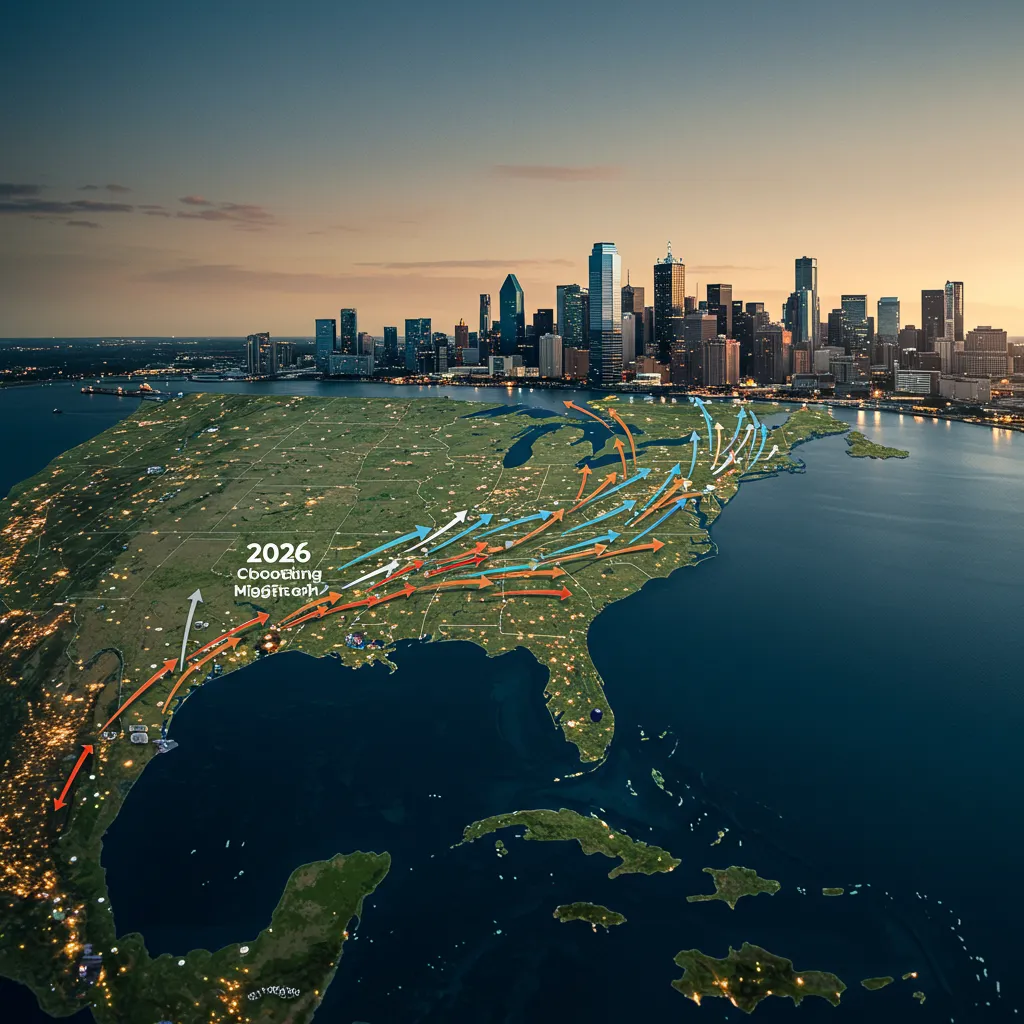
In March 2026, "Climate Migration" is responsible for a significant portion of the 1.08% annual population increase in DFW, as nearly half of American homeowners consider moving to escape extreme weather risks. With approximately 21% of homeowners avoiding Texas due to its own heat and storm volatility, the DFW market is seeing a "selective" surge: inward migration is heavily dominated by residents from California (52%) and Florida (58%) who are fleeing escalating insurance costs—which have risen 24% nationwide—and sea-level threats. For these relocators, North Texas offers "relative resilience," and its demand is manifesting in a 14% projected increase in home sales for 2026 as buyers prioritize inland stability and "Y'all Street" economic opportunities over vulnerable coastal assets.
Book your Home Goals consultation to see our 2026 "Resilience Map" and identify DFW neighborhoods with the highest climate-adaptation ratings: https://stevenjthomas.com/home-goals
The Great Recalibration: Why DFW is Winning the 'Resilience Race'
The 2026 housing market is defined by a "Great Recalibration" where 83% of buyers now consider climate risks before signing a contract. In DFW, this has led to a surge in demand for "Class A" amenity-rich environments that offer both economic and physical security.
While North Texas experiences intense summer heat, the region's lack of "catastrophic sea-level risk" makes it a preferred haven for institutional capital and corporate headquarters—over 100 of which moved to DFW between 2018 and 2024. This influx of "climate-conscious capital" is specifically driving the development of mixed-use, walkable districts like Uptown and Legacy, which are designed with modern, energy-efficient infrastructure to mitigate local temperature extremes.
The Insurance 'Push' Factor
Perhaps the most potent driver of 2026 climate migration isn't the weather itself, but the cost of insuring against it. Nationwide, insurance premiums are projected to increase another 16% by 2027, and 31% of homeowners are no longer confident they can maintain adequate coverage.
In DFW, while hail and wind insurance remain high, they lack the "uninsurable" status now facing many coastal zip codes. This disparity is fueling a "thaw" in the North Texas market, where inventory is rising 8.9% as homeowners from high-risk states sell their coastal assets to lock in the relative affordability and "predictable" risk profile of the North Texas suburbs.
2026 Trends: From 'Zoom Towns' to 'Resilient Ranches'
The profile of the 2026 climate migrant in DFW has evolved into two distinct categories.
The Remote 'Resilients': Wealthier Americans are increasingly moving to DFW's outer-ring "Zoom Towns". These areas offer the high-speed connectivity and space required for remote work while providing a break from the coastal "bomb cyclones" and flooding that are plaguing the West Coast in early 2026.
The Gen Z Surge: Texas has become the No. 1 destination for Generation Z, with net migration nearly double that of the next closest state. This demographic is moving to DFW not just for jobs, but for "functional sustainability"—seeking a region where long-term property ownership feels viable despite global climate volatility.
Conclusion
In 2026, "Climate Migration" is the invisible hand guiding DFW's growth. While the region is not immune to environmental shifts, its role as a top migration hub for those fleeing coastal instability has created a permanent new floor for housing demand. For the 2026 DFW homeowner, value is no longer just about square footage or school districts; it is about the long-term resilience of the land itself.
Key Takeaways
Migration Driver: 49% of homeowners are considering moving in 2026 specifically to escape extreme weather risks.
DFW Appeal: The metroplex attracts 30% of all interstate relocators seeking affordability and sustainability.
Inventory Shift: DFW inventory is rising to 5.2 months of supply, creating a more balanced "buyer-friendly" environment for those relocating.
The Financial Pivot: Climate-resiliency and modern building strategies are now critical for protecting long-term property valuations in the DFW market.


